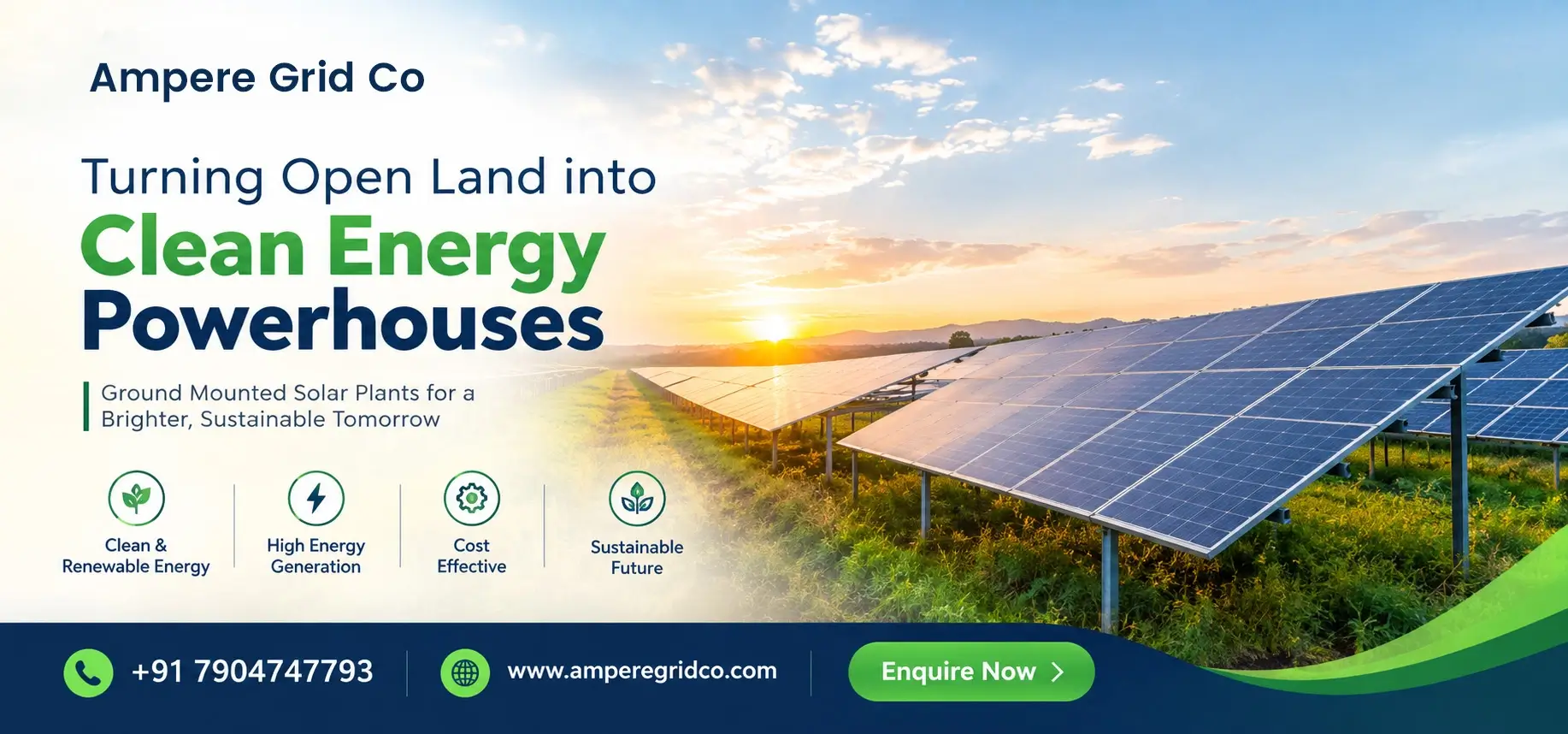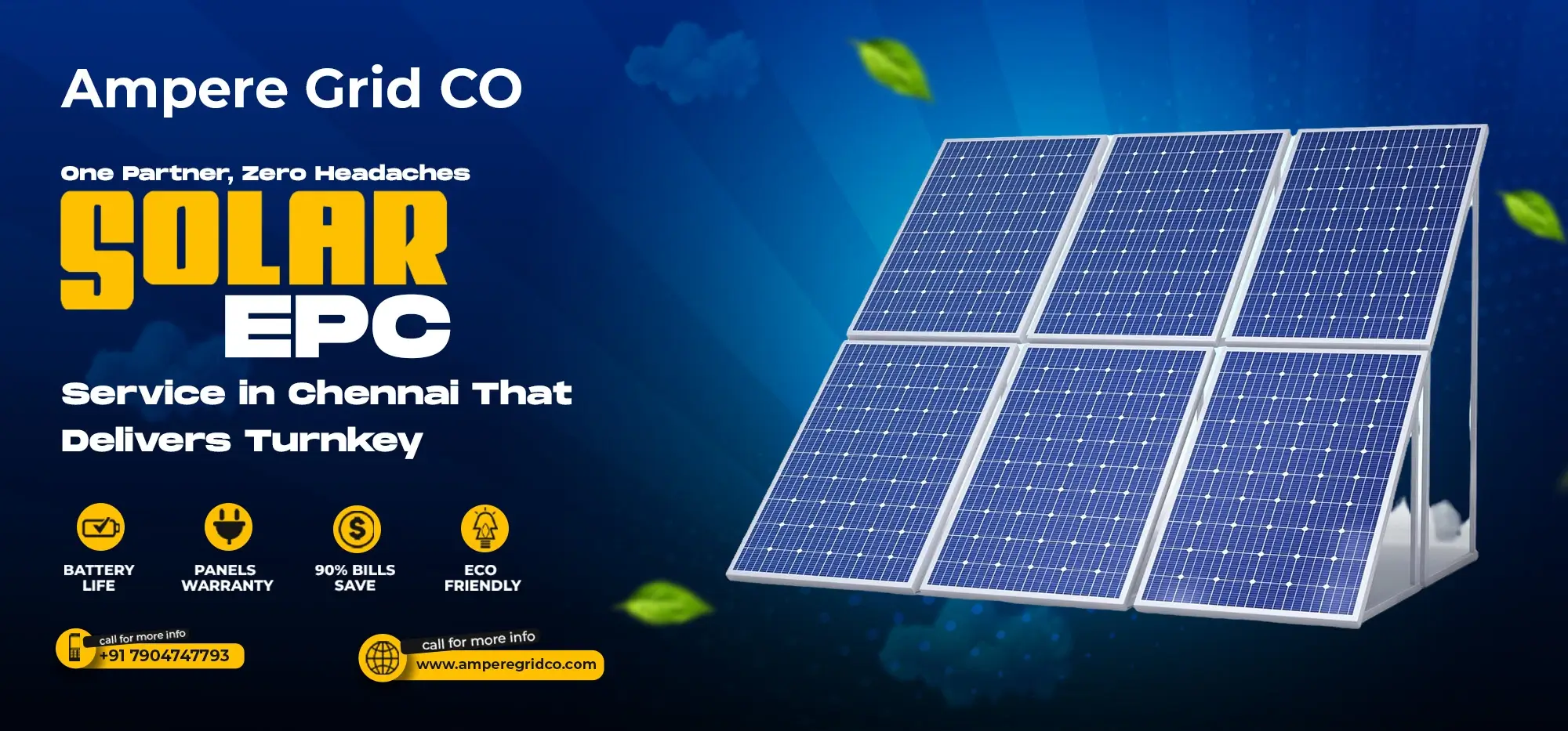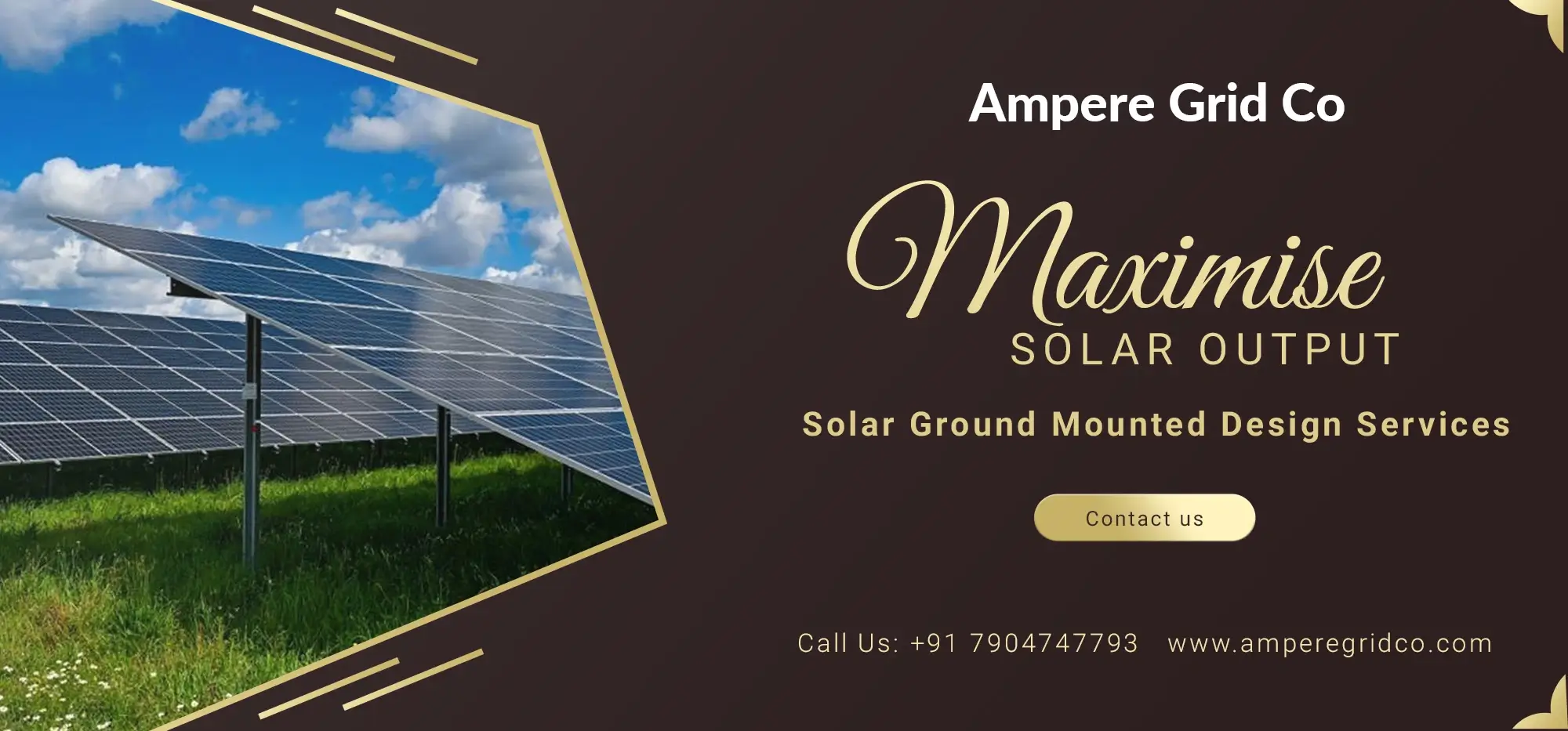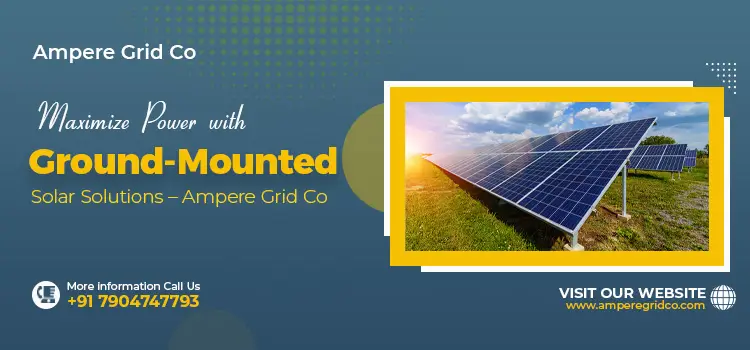
In the race toward a sustainable future, 2026 has become a landmark year for energy independence. For property owners with available land, the choice between rooftop and ground-mounted systems is no longer just about aesthetics—it’s about performance. While rooftop solar is popular in crowded urban centers, a solar ground mount installation is the gold standard for those who want to push their energy production to its absolute physical limit.
At Ampere Grid Co, we’ve seen a massive shift toward ground-based arrays as industries and homeowners realize that "maximum output" requires a setup that isn't restricted by the architecture of a building.
1. Perfect Sun Alignment (The Precision Advantage)
The primary limitation of rooftop solar is the roof itself. Most roofs are not built at the perfect angle or facing the ideal direction for solar absorption. With a solar ground mount installation, these restrictions vanish.
- Optimal Tilt: We calculate the precise latitude of your property to set a fixed-tilt that captures the maximum possible sunlight year-round.
- Azimuth Accuracy: Unlike a roof that might face North or East, a ground-mounted array is positioned to face true South (in the Northern Hemisphere), ensuring your panels start producing at sunrise and don't stop until dusk.
2. Natural Cooling for Higher Efficiency
It is a common technical misconception that solar panels work better when it's hot. In reality, solar PV (photovoltaic) cells are like any other electronic device—they lose efficiency as they heat up.
- 360-Degree Airflow: Rooftop panels sit close to hot shingles, trapping heat and reducing voltage. Ground-mounted panels sit several feet above the earth, benefiting from natural convection and wind.
- The Temperature Gap: Ground-based arrays typically run 10°C to 15°C cooler than rooftop systems, which can translate to a 5-10% boost in total energy harvest over the course of a summer.
3. Bifacial Technology Integration
2026 is the year of the Bifacial Module. These advanced panels have solar cells on both the front and the back.
- Double-Sided Generation: While rooftop panels can only catch light from the front, ground mounts allow the back of the panel to catch "albedo" light—sunlight reflected off the ground, grass, or light-colored gravel.
- Installation Synergy: Bifacial technology works best in a solar ground mount installation because the height allows for significant light reflection, often increasing total system yield by an additional 15% to 25%.
4. Ease of Maintenance and Longevity
If a panel on a roof gets covered in dust or bird droppings, cleaning it involves ladders, safety harnesses, and risk.
- Ground-Level Access: Maintaining a ground array is as simple as walking into your yard. Regular cleaning ensures that "soiling losses" (power lost to dirt) are kept to near zero.
- Infrastructure Safety: You never have to worry about roof leaks, structural weight stress, or removing the entire solar array when your roof needs shingle repairs.
Why Choose Ampere Grid Co for the Solar Ground Mount Installation?
When it's about large-scale power, you need an engineering partner, not just a contractor. Ampere Grid Co has established itself as a leader in precision solar EPC (Engineering, Procurement, and Construction) for several key reasons:
1. Specialized Soil and Foundation Engineering
A ground mount is only as good as the earth beneath it. We conduct thorough soil resistivity and bearing capacity tests before a single post is driven. This ensures your array won't sink, tilt, or corrode over its 25-year lifespan.
2. High-Voltage Expertise
As specialists in transformers and high-voltage (HT) systems, Ampere Grid Co ensures that the energy your array produces is integrated into your facility's grid with minimal transmission loss. We don't just "install panels"; we engineer a complete power plant.
3. Custom Racking & Tracking Options
We offer everything from standard fixed-tilt racks to active solar trackers that follow the sun like a sunflower. Our trackers can increase your energy output by an incredible 30-40% compared to traditional rooftop setups.
4. End-to-End Project Management
From land clearing and cable trenching to final grid synchronization and DISCOM approvals, we handle the entire lifecycle. With Ampere Grid Co, you get a fixed-price quote with zero hidden surprises.
Turning Empty Land into an Asset
If you have the space, a solar ground mount installation by Ampere Grid Co is the most powerful way to achieve energy independence. By removing the architectural limits of a roof, you open the door to bifacial gains, perfect sun tracking, and a system that outlasts and outproduces every other alternative.
Stop compromising your energy goals based on the shape of your roof. Contact Ampere Grid Co today for a professional site survey and see how much power your land is truly capable of producing.
FAQ: Solar Ground Mount Installation
1. Is a solar ground mount installation more expensive than rooftop?
Initially, yes. Ground systems require a dedicated racking structure and foundation work. However, because they produce significantly more energy (due to better cooling and optimal angles), the Return on Investment (ROI) is often faster, typically within 4–5 years for industrial users.
2. How much land do I need for a solar ground mount installation?
As a rule of thumb, for a standard 1 MW utility-scale project, you need about 4 to 5 acres. For a residential 5kW to 10kW system, a small backyard space of about 400 to 800 square feet is usually sufficient, provided it is unshaded.
3. Can ground-mounted panels withstand high winds?
Absolutely. At Ampere Grid Co, our structures are engineered to withstand wind loads based on local seismic and weather data. Unlike rooftop panels which can act as "sails" on your home, ground mounts are anchored into concrete piers or deep-driven steel piles.
4. Does Ampere Grid Co help with solar subsidies for ground mounts?
Yes. While subsidies vary by state and category (Residential vs. Agricultural), we assist our clients in navigating the PM-KUSUM or other relevant government schemes to ensure you get the maximum financial benefit for your solar ground mount installation.
5. What is the maintenance required for a ground mount system?
Maintenance is minimal but essential. It involves periodic cleaning of the panels (easier at ground level!), checking electrical connections for corrosion, and ensuring that vegetation beneath the panels is managed so it doesn't cast shadows.