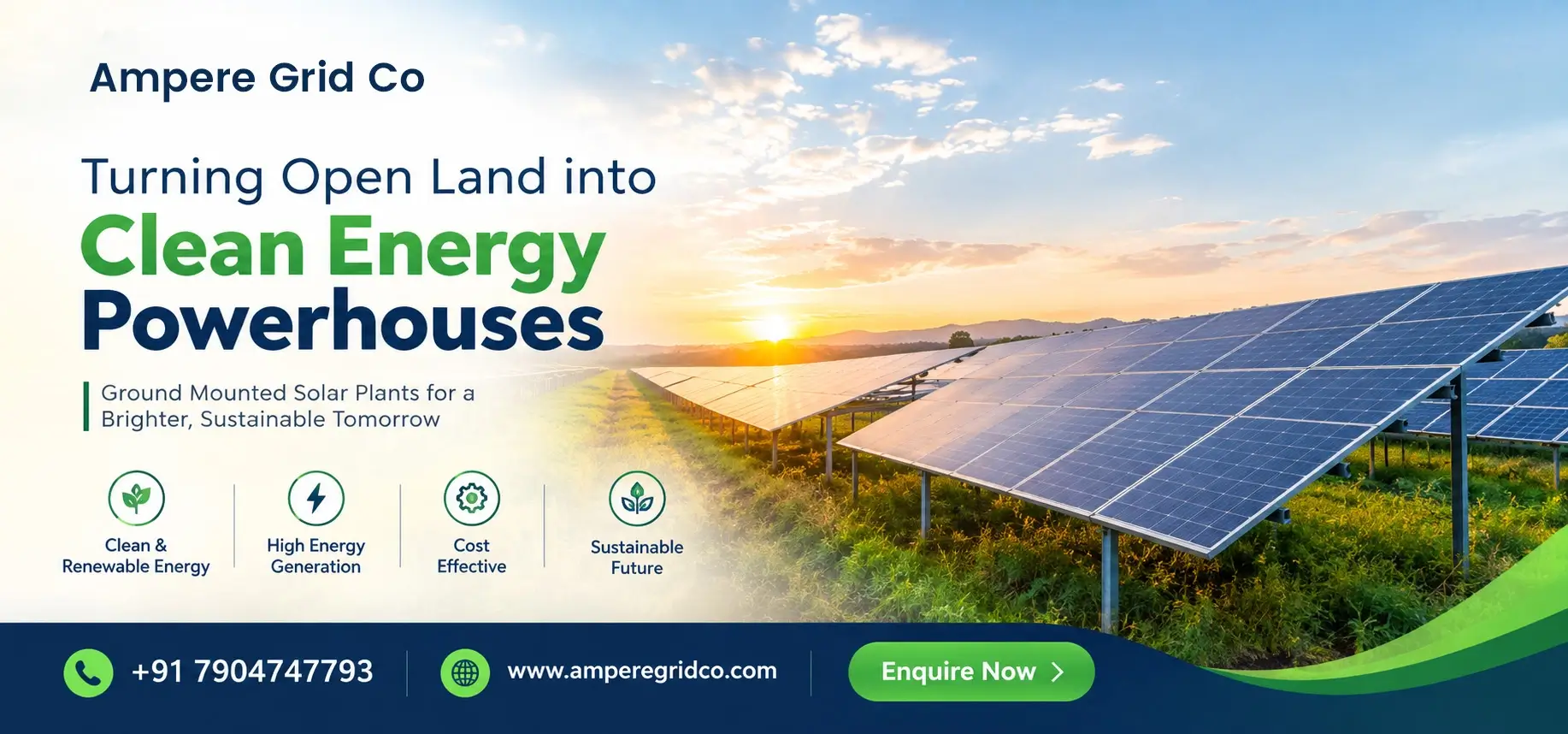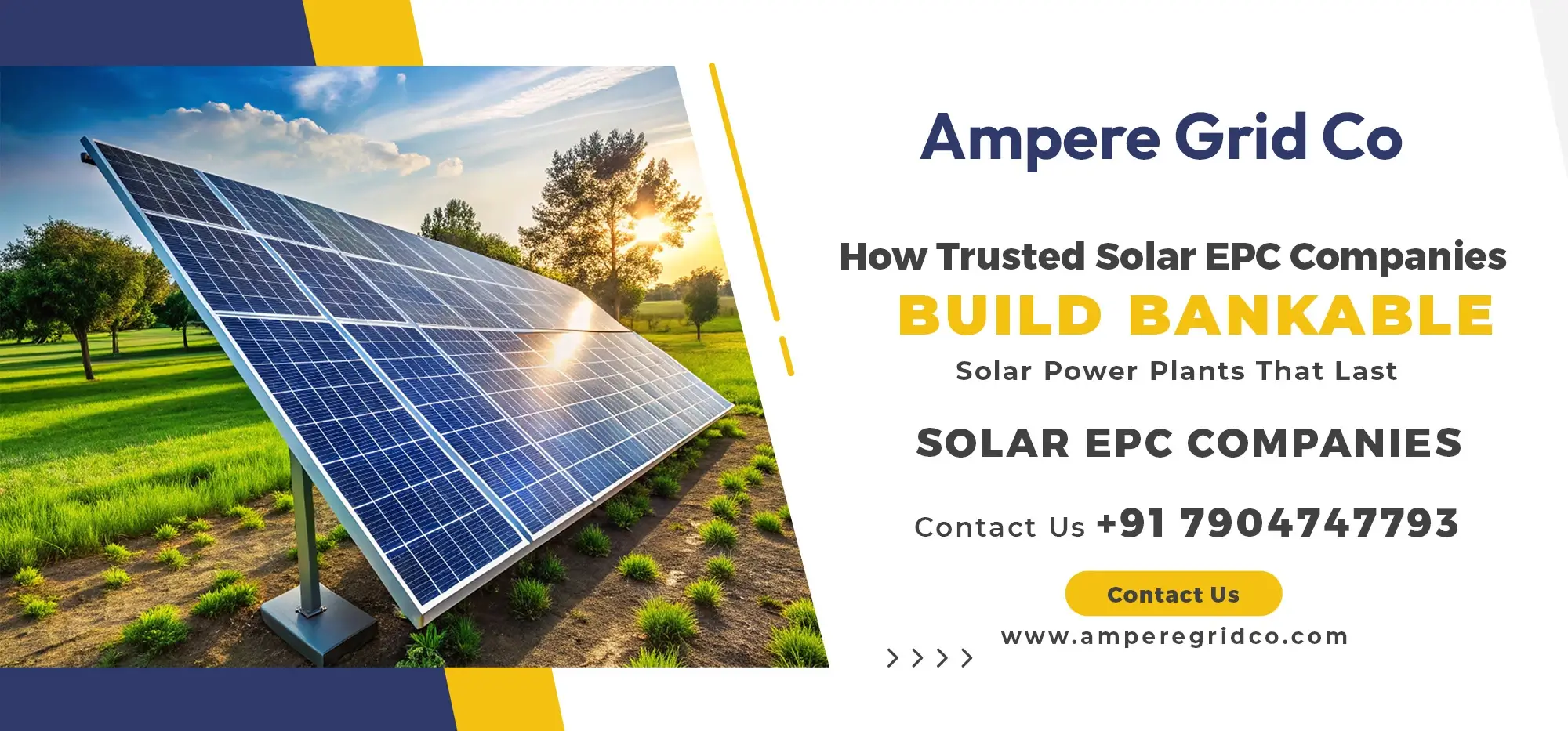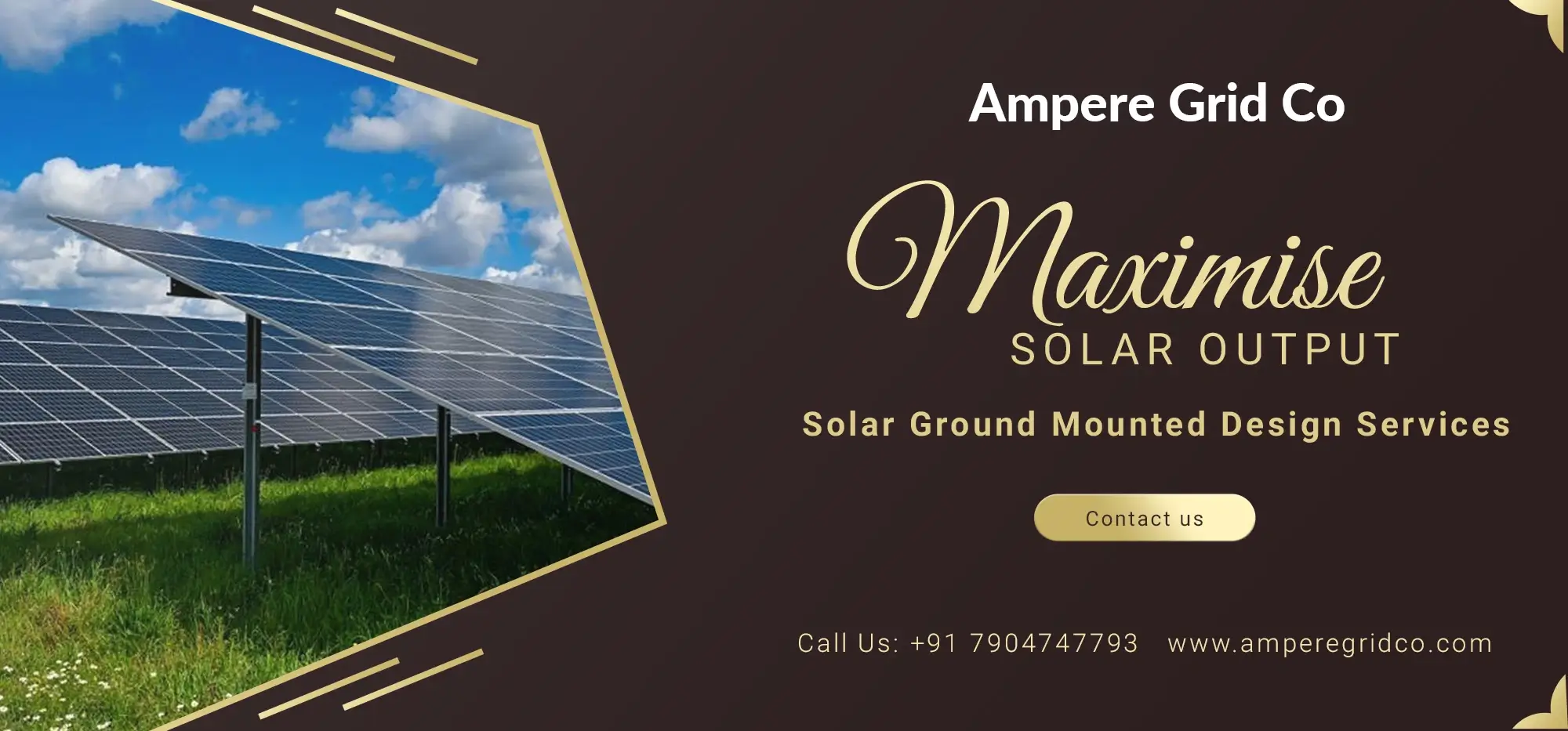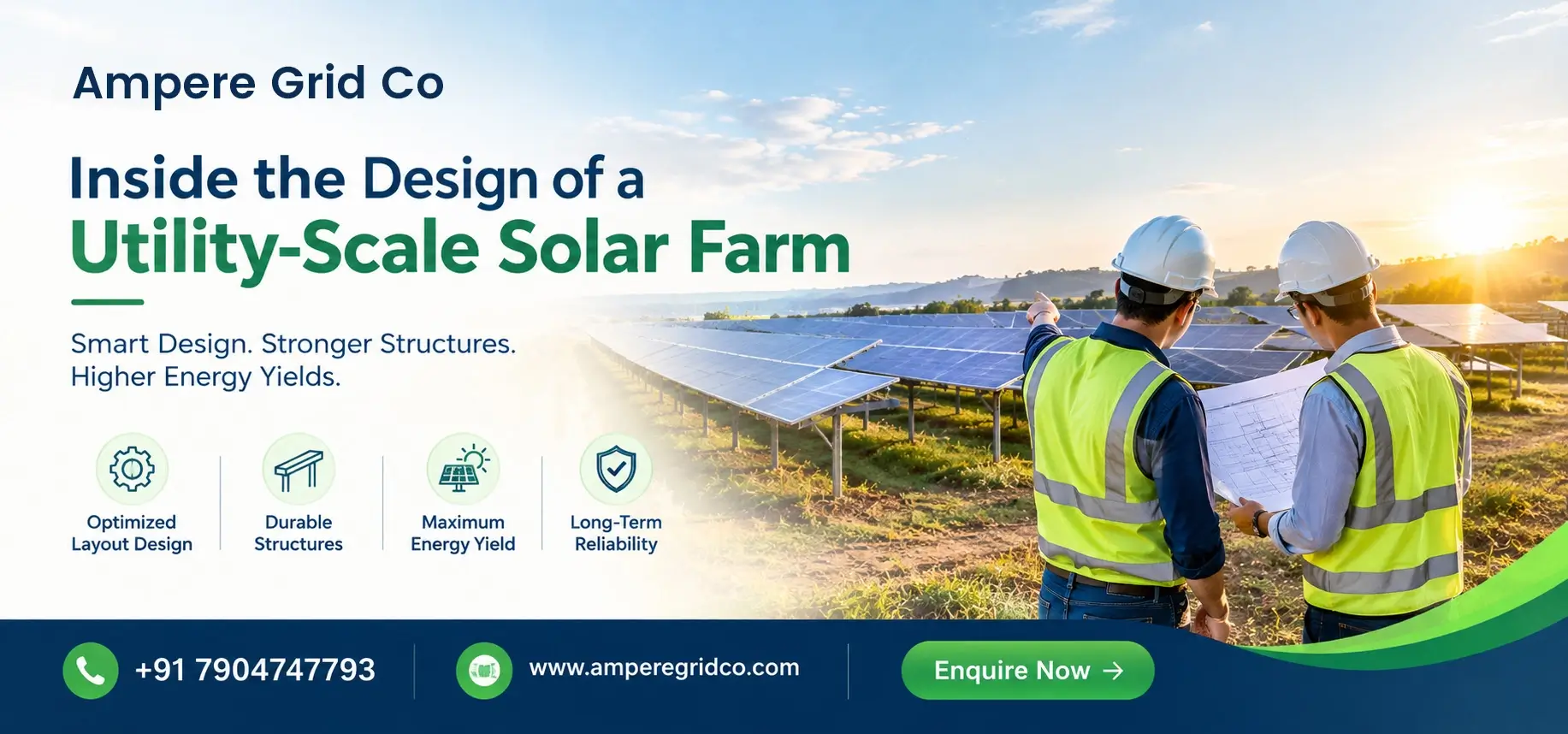
Building a successful land-based solar installation requires far more than simply placing panels on open ground. Every efficient, durable installation begins with thoughtful solar ground mount design, a process that combines engineering precision, site analysis, and long-term durability planning. At Ampere Grid Co, this design phase is treated as the foundation upon which every successful project is built.
Why Solar Ground Mount Design Matters
A poorly designed ground mount system can lead to reduced energy output, structural failures, and costly repairs down the line. That's why solar ground mount design is never treated as an afterthought. From selecting the right foundation type to calculating optimal panel tilt angles, every decision made during the design phase directly impacts the system's performance, durability, and return on investment over its operational lifetime.
Ampere Grid Co's design engineers approach each project as a unique challenge, factoring in site-specific variables rather than applying generic templates that may not suit local conditions.
Key Elements of an Effective Ground Mount Solar Structure
A well-engineered ground mount solar structure must account for several critical factors:
- Foundation Type — Depending on soil composition, foundations may use driven piles, helical screws, or concrete ballast blocks. Choosing the right foundation ensures structural stability against wind loads and soil shifting over time.
- Structural Material — Galvanized steel and aluminum are commonly used for ground mount structures due to their corrosion resistance and ability to withstand environmental stress over decades of use.
- Wind and Load Resistance — Structures must be engineered to withstand local wind speeds, snow loads (where applicable), and seismic activity, ensuring long-term safety and durability.
- Panel Tilt and Orientation — The angle at which panels are mounted significantly affects energy yield. Ampere Grid Co calculates optimal tilt based on geographic latitude, seasonal sun paths, and shading considerations from surrounding terrain.
The Role of Solar Racking Design in System Performance
While the structure provides stability, solar racking design determines how panels are arranged, spaced, and secured within that structure. Racking systems must balance several competing priorities: maximizing the number of panels per unit area, maintaining adequate spacing to avoid shading between rows, and ensuring easy access for maintenance and cleaning.
Ampere Grid Co's racking designs are optimized through detailed shading analysis and energy modeling software, ensuring that row spacing minimizes shadow loss during peak sunlight hours while still maximizing land utilization efficiency.
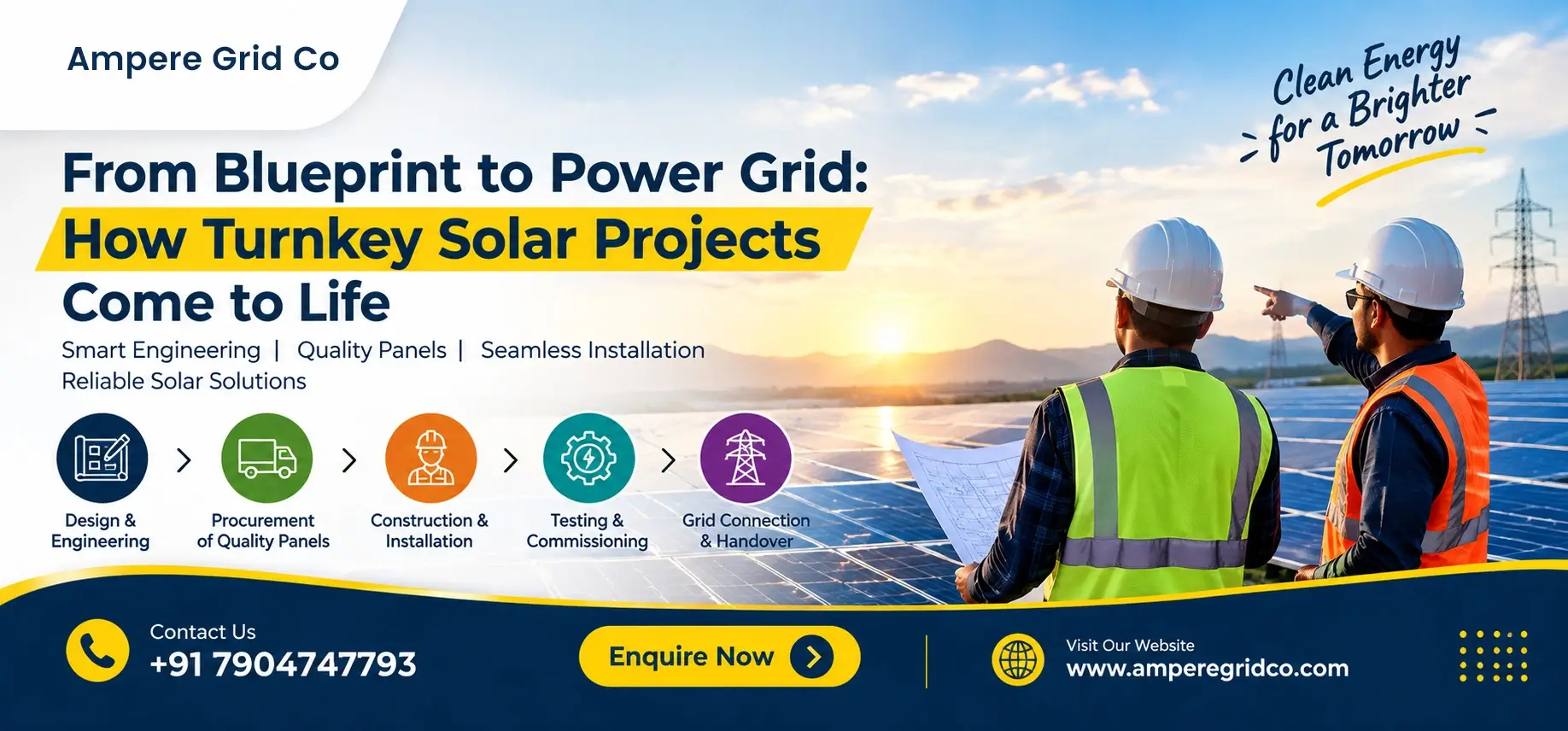
Step-by-Step: How Ampere Grid Co Approaches Ground Mount Design
- Site Survey and Soil Analysis — Before any design work begins, engineers conduct a thorough site survey, assessing soil composition, drainage patterns, and terrain slope to determine the most suitable foundation approach.
- Energy Yield Modeling — Using specialized software, the team models expected energy output based on panel orientation, tilt angle, and local weather patterns, allowing for design adjustments that maximize efficiency before construction begins.
- Structural Engineering — Structural engineers calculate load requirements based on local wind and weather data, ensuring the ground mount solar structure can withstand environmental stress throughout its operational lifespan.
- Layout Optimization — Panel rows are arranged to balance maximum energy capture with practical considerations like maintenance access paths and future expansion possibilities.
- Final Design Review and Approval — Before construction begins, designs undergo a thorough review process to confirm compliance with local building codes and structural safety standards.
Common Design Mistakes That Reduce System Performance
Not all ground mount installations are created equal. Some common mistakes that experienced designers work to avoid include:
- Insufficient Row Spacing: Poor spacing planning can cause shading between panel rows, significantly reducing energy output during certain hours of the day.
- Inadequate Foundation Planning: Underestimating soil movement or wind load requirements can lead to structural instability over time, requiring costly repairs.
- Ignoring Future Expansion: Designs that don't account for potential capacity expansion often require expensive reworking when businesses later decide to scale their solar capacity.
Ampere Grid Co's design process specifically addresses these pitfalls through comprehensive planning and site-specific engineering rather than one-size-fits-all approaches.
Materials and Durability Considerations in Ground Mount Structures
Long-term durability is a central concern in any ground mount solar structure. Materials must withstand years of exposure to sun, rain, wind, and in some regions, snow or extreme temperature fluctuations. Ampere Grid Co typically specifies hot-dip galvanized steel or high-grade aluminum components, both known for their corrosion resistance and structural longevity, ensuring installations remain stable and functional for 25 years or more.
How Good Design Translates to Better ROI
Every design decision — from foundation type to racking layout — ultimately affects the financial return of a solar installation. Efficient solar ground mount design minimizes energy losses from shading and structural inefficiencies, while durable materials reduce long-term maintenance costs. Together, these factors ensure that clients see a stronger return on investment over the system's operational lifetime compared to poorly planned installations.
Why Choose Ampere Grid Co for Ground Mount Design
Design quality is often invisible until problems arise years later — reduced output, structural issues, or unexpected maintenance costs. Ampere Grid Co's engineering-first approach to ground mount solar structures and racking design ensures these issues are addressed proactively, delivering systems built for long-term performance rather than short-term cost-cutting.
Conclusion
Behind every successful land-based solar installation lies a carefully engineered design process. From foundation selection to racking layout, thoughtful solar ground mount design determines whether a system performs efficiently for decades or requires costly interventions down the line. With deep expertise in ground mount solar structures and racking design, Ampere Grid Co helps clients build installations engineered for lasting performance and strong long-term returns.
Frequently Asked Questions
1. What factors determine the best foundation type for a ground mount solar structure?
Foundation choice depends primarily on soil composition, with options including driven piles, helical screws, or concrete ballast, each suited to different ground conditions.
2. How does panel tilt angle affect energy output?
Tilt angle is calculated based on geographic latitude and seasonal sun paths to maximize sunlight capture throughout the year, directly impacting overall energy yield.
3. What materials are typically used in solar racking design?
Galvanized steel and aluminum are the most common materials due to their corrosion resistance and structural durability over decades of outdoor exposure.
4. How long does a well-designed ground mount solar structure typically last?
With proper materials and engineering, ground mount structures are typically designed to last 25 years or more with minimal structural issues.
5. Can a ground mount solar design accommodate future expansion?
Yes, when planned properly from the start, layouts can include space and structural allowances for future capacity expansion without requiring a complete redesign.