Building a successful solar power plant involves far more than simply purchasing panels and mounting them on a rooftop or a field. It requires a coordinated process spanning engineering, procurement, and construction — commonly known as EPC. Understanding how EPC and solar panels work together is essential for any business or developer planning a large-scale solar project, and this is exactly where Ampere Grid Co brings deep expertise to the table.
What Does EPC Mean in the Context of Solar Projects
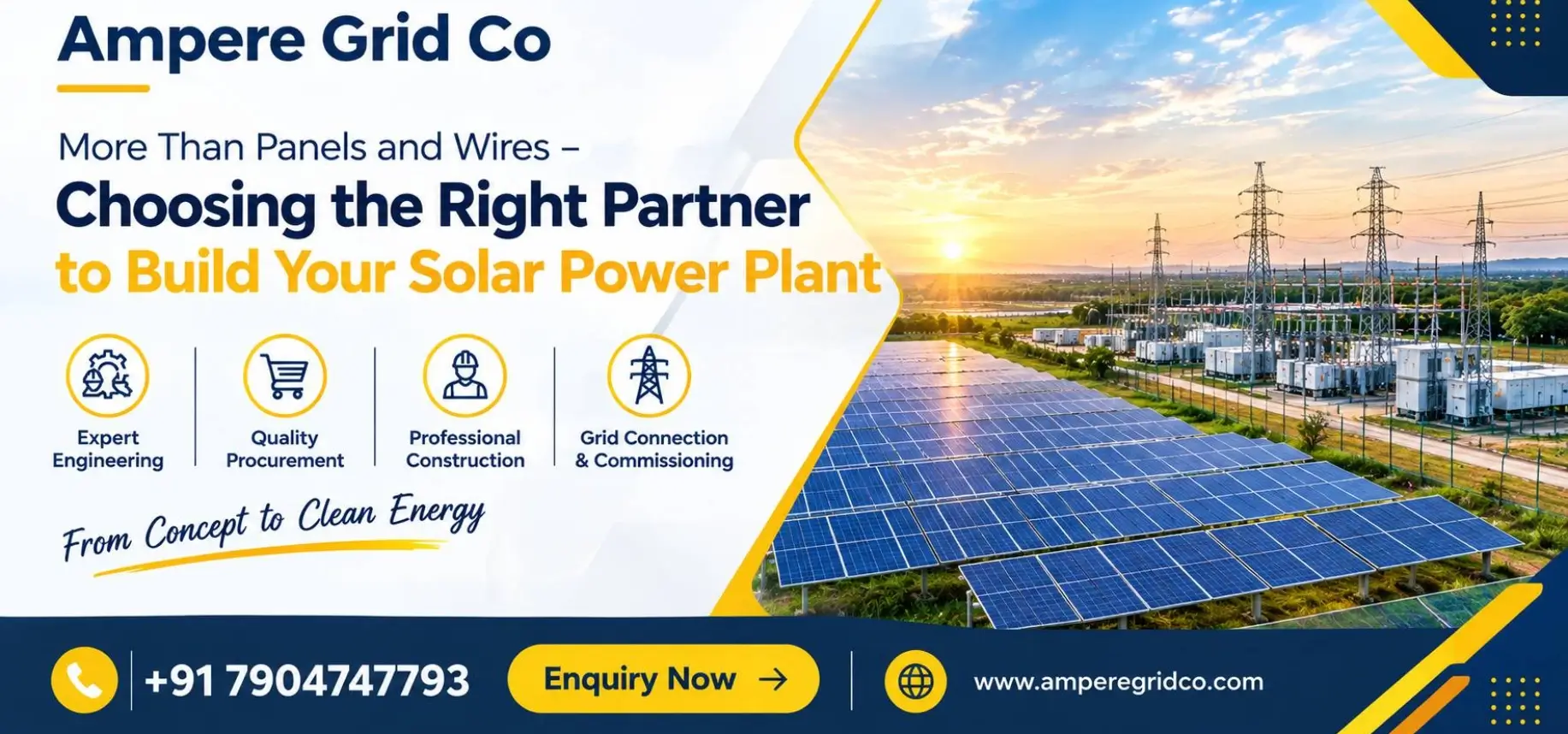
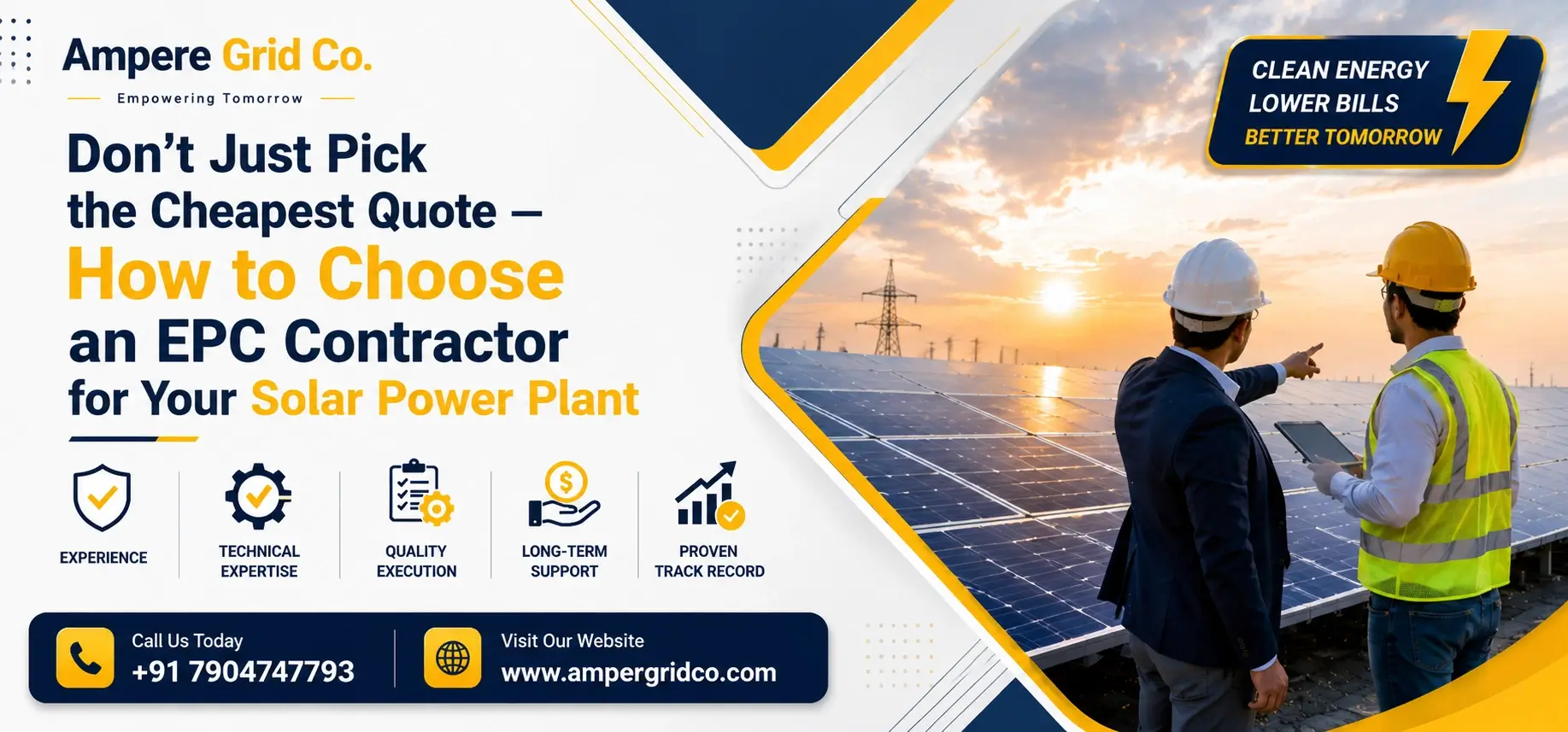
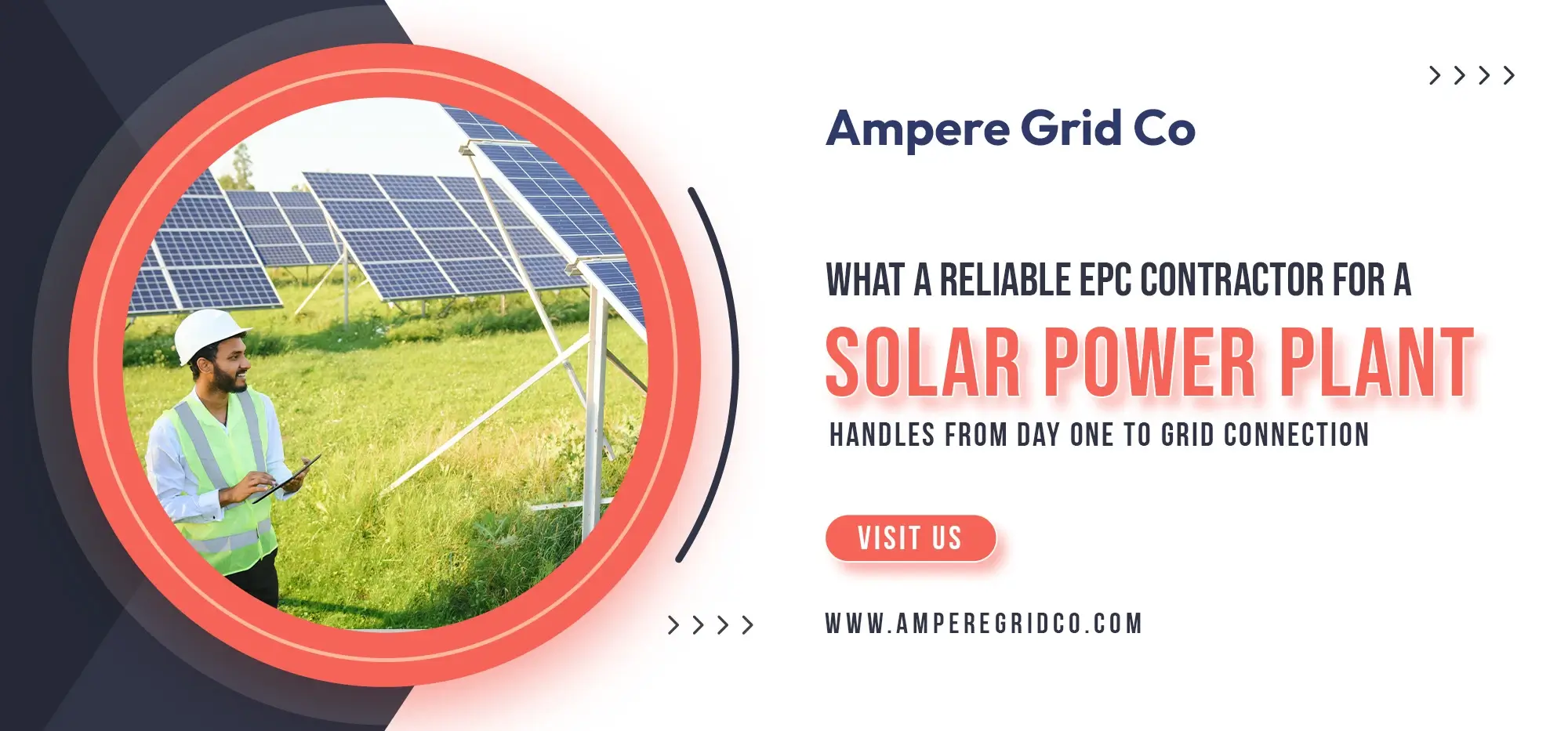
EPC stands for Engineering, Procurement, and Construction — a comprehensive project delivery model where a single contractor manages every stage of a solar installation from initial design through final commissioning. When people search for information on EPC and solar panels, they're often trying to understand how these individual pieces come together into one cohesive, manageable process rather than being handled by multiple disconnected vendors.
Working with a single solar EPC company rather than juggling separate contractors for design, equipment sourcing, and installation significantly reduces coordination headaches, project delays, and the risk of miscommunication between different teams.
The Three Pillars of a Turnkey Solar Project
- Engineering — This phase involves detailed site assessment, system design, and technical planning. Engineers evaluate factors like available space, sunlight exposure, grid connectivity, and structural requirements to design a system optimized for maximum energy output.
- Procurement — Once designs are finalized, the procurement phase involves sourcing quality components — panels, inverters, racking systems, and electrical equipment — from reliable manufacturers. This stage is critical, as component quality directly affects system performance and longevity.
- Construction — The final phase involves physical installation, including structural assembly, panel mounting, electrical wiring, and system testing before the plant is connected to the grid or handed over for operation.
Ampere Grid Co manages all three pillars under one roof, ensuring seamless coordination between design intentions and physical execution.
Why Businesses Prefer a Single Solar EPC Company
Coordinating a large solar project across multiple vendors often leads to finger-pointing when issues arise, delayed timelines due to miscommunication, and inconsistent quality standards between different contractors. Choosing a unified solar EPC company eliminates these risks by placing accountability for the entire project — from blueprint to power grid — under one experienced team.
Ampere Grid Co's turnkey approach means clients have a single point of contact throughout the entire project lifecycle, simplifying communication and ensuring consistent quality standards from initial design through final commissioning.
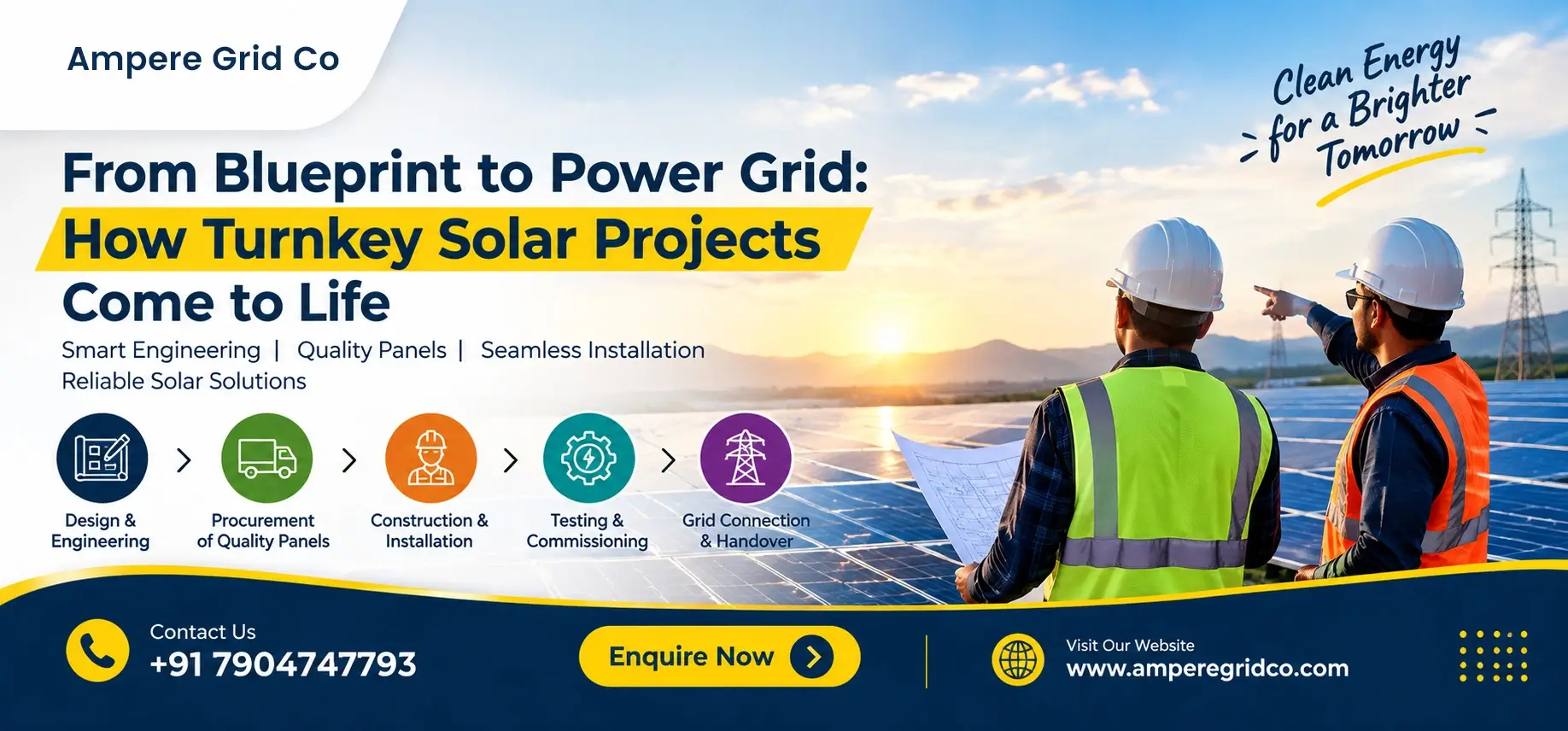
The Journey from Blueprint to Power Grid
Understanding the full journey helps clients appreciate the complexity behind what might appear to be a straightforward installation:
- Step 1: Feasibility Study and Site Assessment — Engineers evaluate the proposed site for solar viability, examining factors like available space, shading, and grid access before committing to a design direction.
- Step 2: System Design and Engineering — Detailed technical drawings and energy yield projections are developed, incorporating panel layout, structural requirements, and electrical system design.
- Step 3: Permitting and Regulatory Approval — Necessary permits and regulatory clearances are secured, ensuring the project complies with local building codes and utility interconnection requirements.
- Step 4: Component Procurement — High-quality panels, inverters, and supporting equipment are sourced from trusted manufacturers, balancing performance, durability, and cost-effectiveness.
- Step 5: Installation and Construction — The physical build phase includes structural assembly, panel mounting, and electrical wiring, carried out by trained installation teams following strict quality protocols.
- Step 6: Testing and Commissioning — Before going live, the system undergoes rigorous testing to confirm performance meets design specifications and safety standards.
- Step 7: Grid Connection and Handover — Once testing is complete, the system is connected to the grid, and the completed project is handed over to the client along with documentation and maintenance guidelines.
The Importance of Quality Solar Panel Installation Services
Even with excellent engineering and procurement, poor execution during installation can undermine an entire project. High-quality solar panel installation services ensure that every structural connection, electrical wiring point, and mounting detail is executed to specification, directly affecting long-term system reliability and safety.
Ampere Grid Co's installation teams follow strict quality control checklists at every stage, minimizing the risk of issues that could otherwise surface months or years after project completion.
Common Pitfalls in Solar Project Execution
Projects that don't follow a coordinated EPC approach often encounter avoidable problems:
- Design-Construction Mismatches: When design and construction teams operate separately, on-site realities sometimes don't match original engineering assumptions, leading to costly rework.
- Component Quality Issues: Without a unified procurement strategy, projects sometimes end up with mismatched or lower-quality components that reduce overall system performance.
- Delayed Timelines: Coordinating multiple vendors across engineering, procurement, and construction often introduces communication delays that extend project timelines significantly.
A dedicated solar EPC company like Ampere Grid Co addresses these risks by maintaining consistent oversight and communication across every phase of the project.
Post-Installation Support and Long-Term Value
A truly comprehensive EPC partner doesn't disappear after grid connection. Ampere Grid Co provides ongoing performance monitoring, maintenance support, and troubleshooting services to ensure installed systems continue performing at optimal levels well beyond the initial installation phase.
Why Choose Ampere Grid Co for Your EPC and Solar Panel Needs
Selecting the right EPC partner can be the difference between a smoothly executed project and one plagued by delays, quality issues, or underperformance. Ampere Grid Co's integrated approach to EPC and solar panels combines engineering expertise, careful procurement, and quality-focused installation services into a single, accountable process from start to finish.
Conclusion
Turning a solar concept into a fully functioning power plant requires far more coordination than most people realize. Understanding how EPC and solar panels work together — through engineering, procurement, and construction — reveals why a unified, experienced partner makes all the difference. Ampere Grid Co's comprehensive solar panel installation services and turnkey project management ensure that every project moves smoothly from blueprint to power grid, delivering reliable, high-performing solar systems clients can depend on for decades.
Frequently Asked Questions
1. What does EPC stand for in solar projects?
EPC stands for Engineering, Procurement, and Construction, referring to the complete project delivery process from design through installation and grid connection.
2. Why should I choose a single EPC company instead of separate contractors?
A single EPC company ensures consistent quality, accountability, and communication throughout the entire project, reducing risks of delays and miscommunication between multiple vendors.
3. How long does a typical EPC solar project take to complete?
Timelines vary based on project size and complexity, but most projects take several months from initial site assessment through final grid connection.
4. What is included in solar panel installation services?
Installation services typically include structural mounting, electrical wiring, system testing, and final commissioning to ensure the system operates safely and efficiently.
5. Does Ampere Grid Co provide support after installation is complete?
Yes, Ampere Grid Co offers ongoing performance monitoring, maintenance, and troubleshooting support to ensure long-term system reliability after project handover.