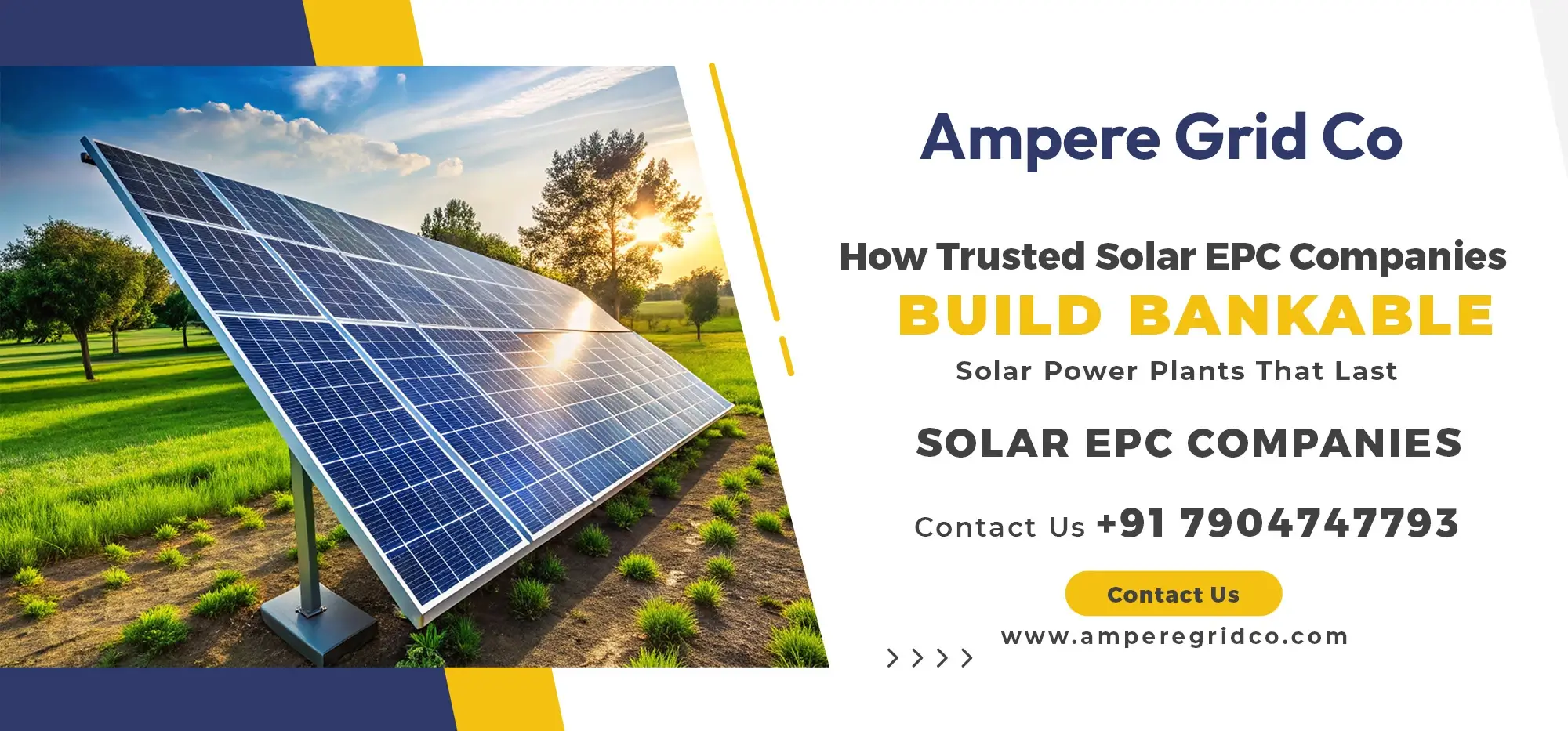
When people picture a solar power plant, they usually imagine the panels — row after row of blue glass soaking up the sun. What they don't see is everything that had to go right for those panels to still be generating clean, reliable power twenty-five years later. That invisible work is where solar EPC companies live, and it's the difference between a plant that quietly prints returns for decades and one that turns into a headache within a few years.
At Ampere Grid Co, we've spent enough time on both sides of that line to know it isn't luck. A bankable, long-lasting plant is built on purpose, choice by choice, long before the first panel is bolted down.
What “bankable” actually means
“Bankable” gets thrown around a lot, so let's be plain about it. A bankable project is one a lender or investor is comfortable putting money into, because the risks are understood and controlled. It's not about the plant looking impressive. It's about it performing predictably.
This is where good solar EPC companies earn their keep. Banks don't just check that panels exist — they scrutinise the engineering assumptions, the quality of components, the track record of the contractor, and whether the projected energy yield is realistic or wishful. A plant designed by a team that cuts corners might pass a casual glance but fall apart under a lender's technical due diligence. One built properly sails through, because the numbers hold up.
Engineering, Procurement, Construction — and why it's one package
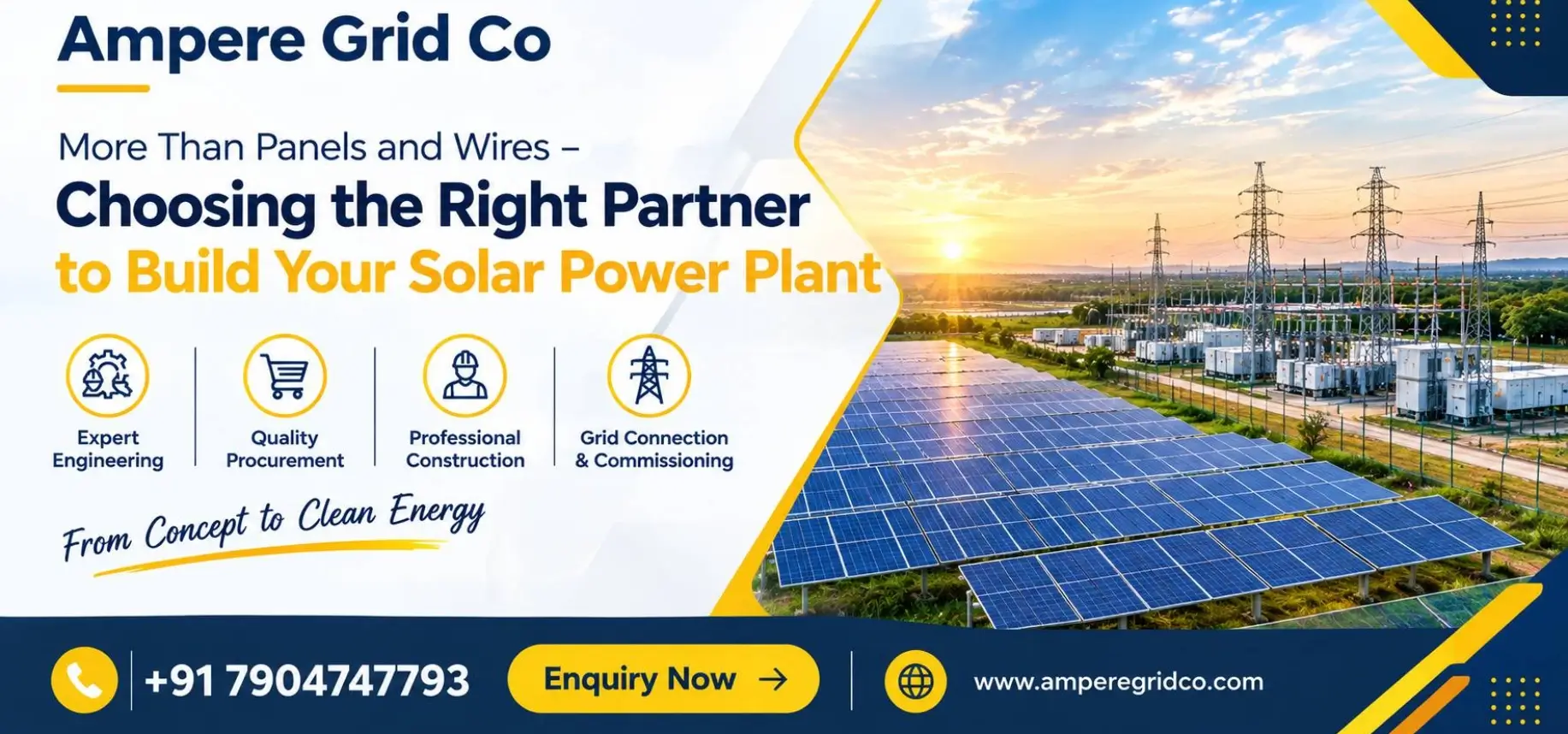
EPC stands for Engineering, Procurement, and Construction, and the reason those three sit together matters more than it sounds. When one company owns all three, there's a single throat to choke. Nobody can blame the designer for the installer's mistake or the installer for a bad component, because it's all under one roof and one contract.
Split those functions across separate vendors and you invite finger-pointing. The engineer designed for one panel, procurement bought a cheaper one, and the construction crew mounted it slightly wrong — and now nobody owns the shortfall. Reputable solar EPC companies take that whole chain of responsibility onto themselves, which is exactly why the risk drops and the project becomes bankable.
The choices that decide the next 25 years
A solar plant is a long marriage, not a fling. The decisions made in the first few months echo for a quarter of a century.
Component quality is the obvious one. Cheaper panels and inverters shave the upfront cost, but if they degrade faster or fail early, that saving evaporates and then some. Good solar EPC companies choose components based on lifetime performance and warranty strength, not just the sticker price — because they know they'll be judged on year twenty, not year one.
Then there's the design detail nobody notices until it bites. Cable sizing that runs too hot. Mounting structures that aren't rated for local wind or corrosion. Inverter capacity mismatched to the array. String layouts that lose output to shading no one modelled. None of these are dramatic on day one. All of them quietly eat into your returns over time.
Why the boring stuff is the important stuff
The unglamorous work — soil testing, structural calculations, cable management, earthing, thorough commissioning — is precisely what separates a plant that lasts from one that limps. It rarely makes the marketing brochure, but it's what a bank's technical advisor looks at hardest.
That's the honest pitch for working with experienced solar EPC companies: you're not paying for panels, which anyone can buy. You're paying for the judgement that puts them together in a way that keeps generating, keeps passing inspections, and keeps lenders comfortable for the full life of the asset.
A solar plant should be one of the most predictable investments you ever make. It sits in a field, has no moving parts to speak of, and produces power from sunlight that arrives for free. When it underperforms, it's almost never the sun's fault — it's a decision that was made badly early on. Getting the EPC right is how you make sure those decisions are made well.
Frequently Asked Questions
1. What do solar EPC companies actually deliver?
They handle the full build of a solar plant — the engineering design, procurement of panels and equipment, and the physical construction and commissioning. In short, they take a project from concept to a working, grid-connected plant under a single contract.
2. Why does bankability matter for my project?
A bankable project is one lenders and investors trust enough to finance. Good solar EPC companies build in a way that survives technical due diligence, which makes funding easier to secure and cheaper to service.
3. Isn't it cheaper to hire separate vendors for design, supply, and installation?
Sometimes it looks cheaper upfront, but splitting responsibility invites blame-shifting when something underperforms. A single EPC contractor owns the whole outcome, which usually saves money and stress over the plant's life.
4. How long should a well-built solar plant last?
A properly engineered plant with quality components typically performs reliably for 25 years or more, with panels gradually degrading rather than failing. Build quality, not just component brand, decides whether it reaches that lifespan.
5. How do I judge whether an EPC provider is any good?
Look at their track record on completed projects, the strength of the component warranties they offer, and whether their yield projections are realistic. A willingness to explain the boring engineering details is usually a good sign.