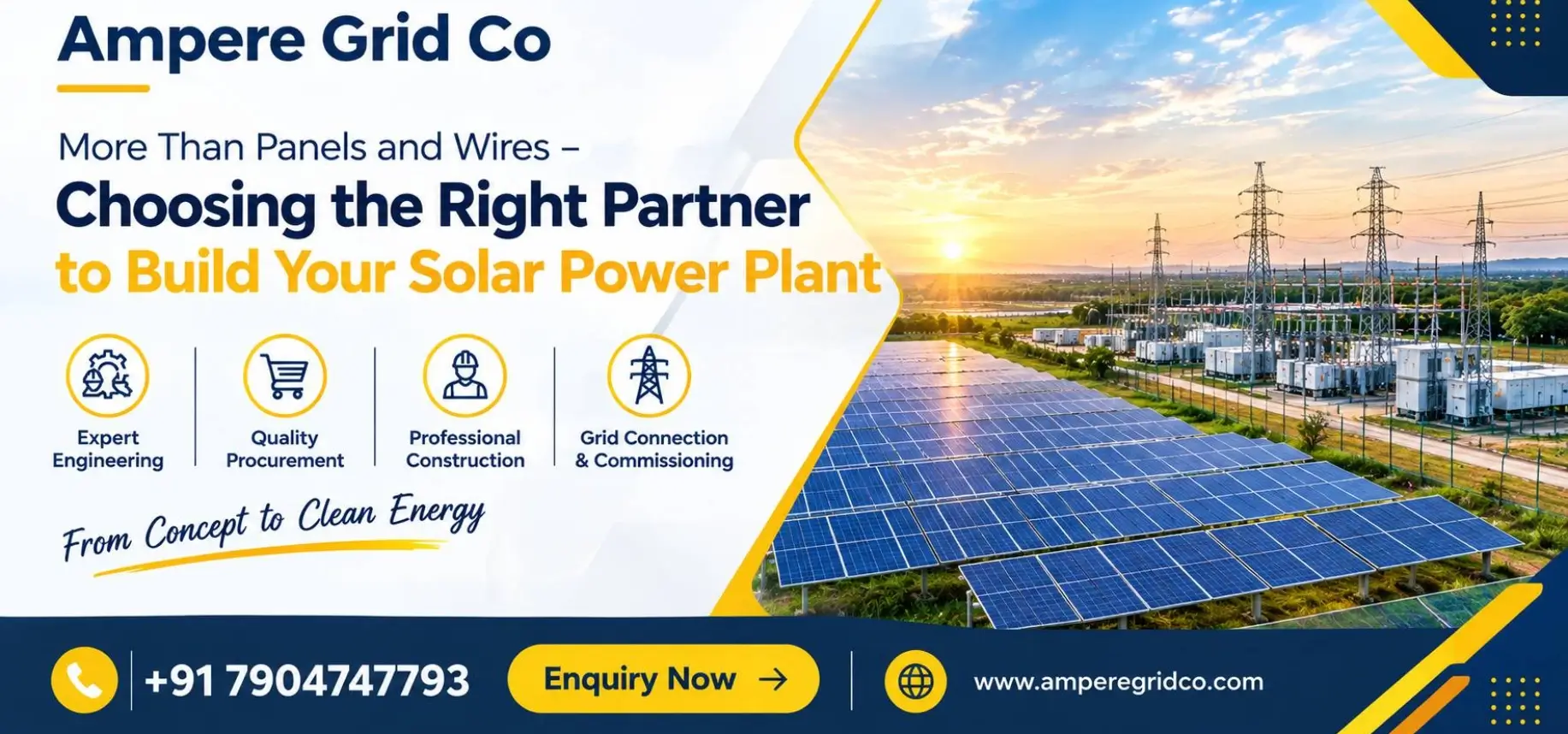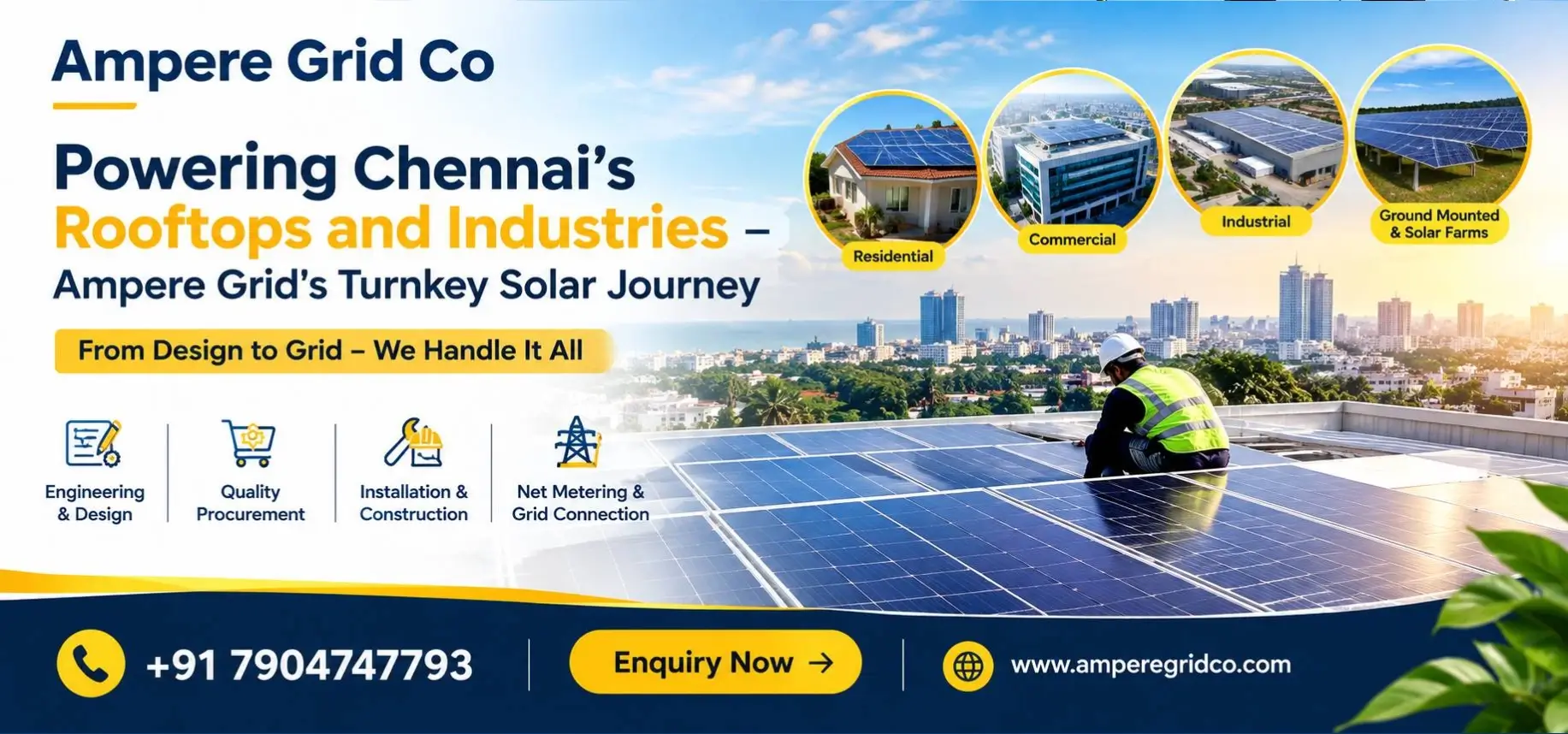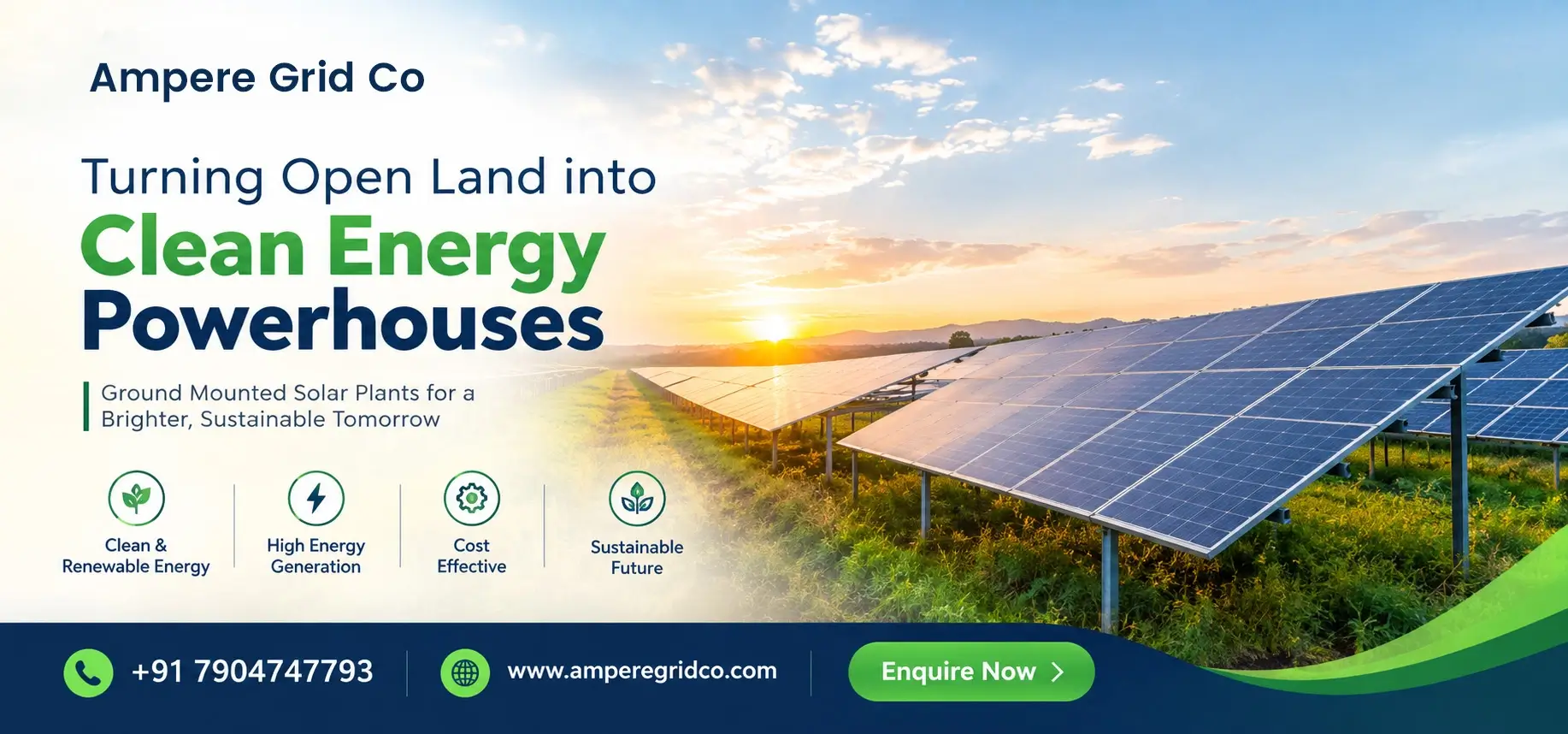
Across the country, vast stretches of open land once considered idle or underused are being transformed into powerful sources of clean energy. This shift is driven largely by ground mounted solar plants, which allow developers to generate electricity at a scale rooftops simply cannot match. As demand for renewable power accelerates, companies like Ampere Grid Co are leading this transformation, turning empty fields into thriving energy hubs.
Why Ground Mounted Solar Plants Are Gaining Momentum
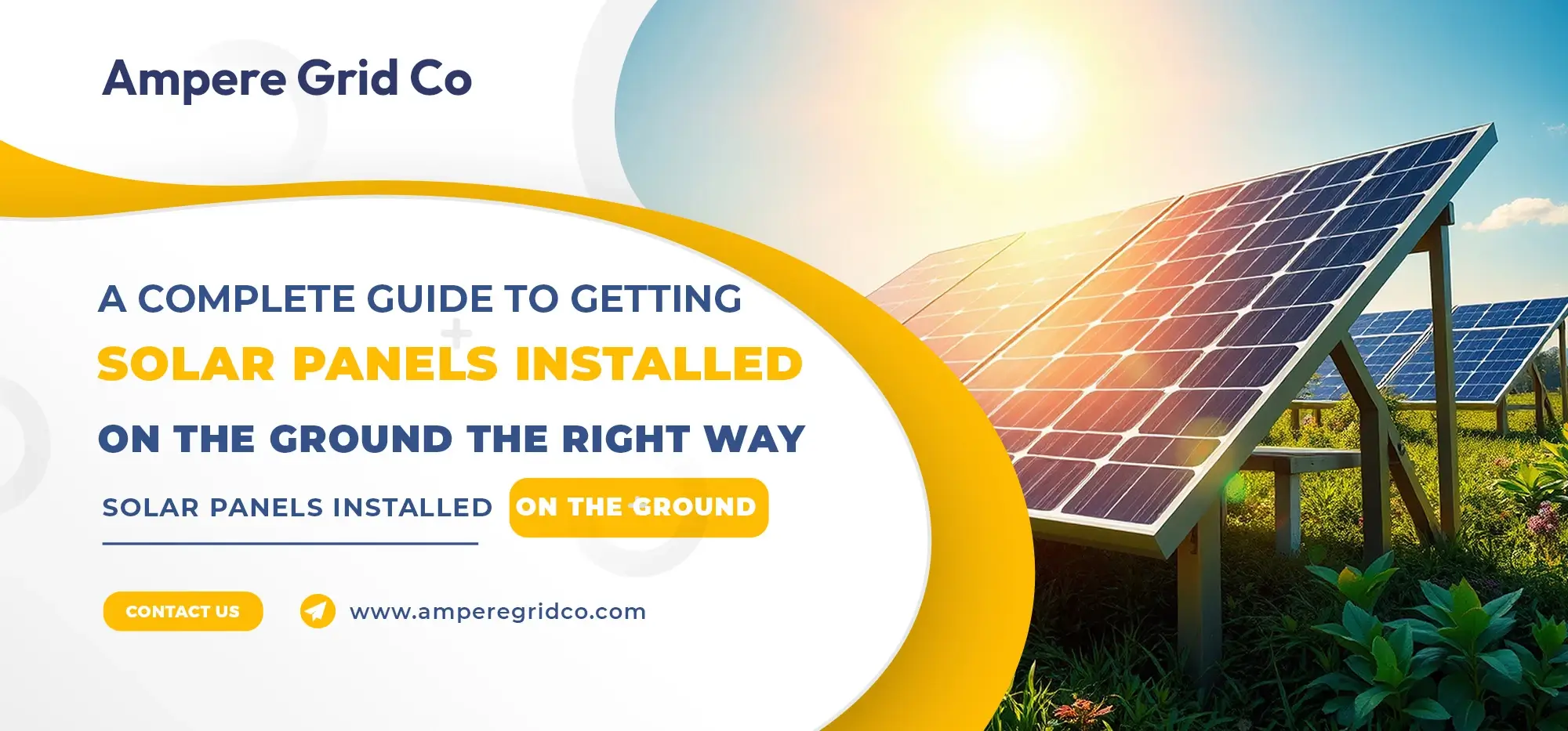
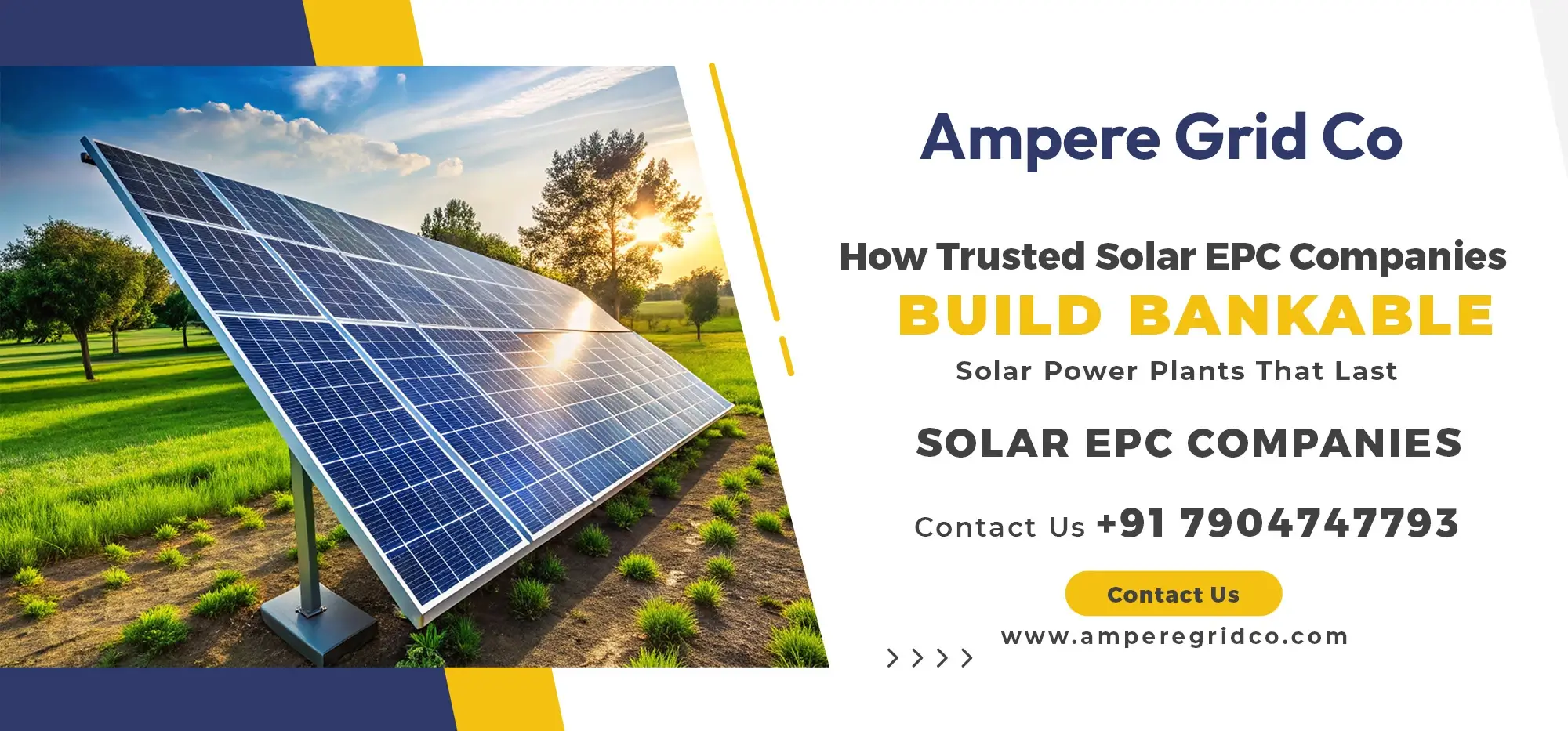
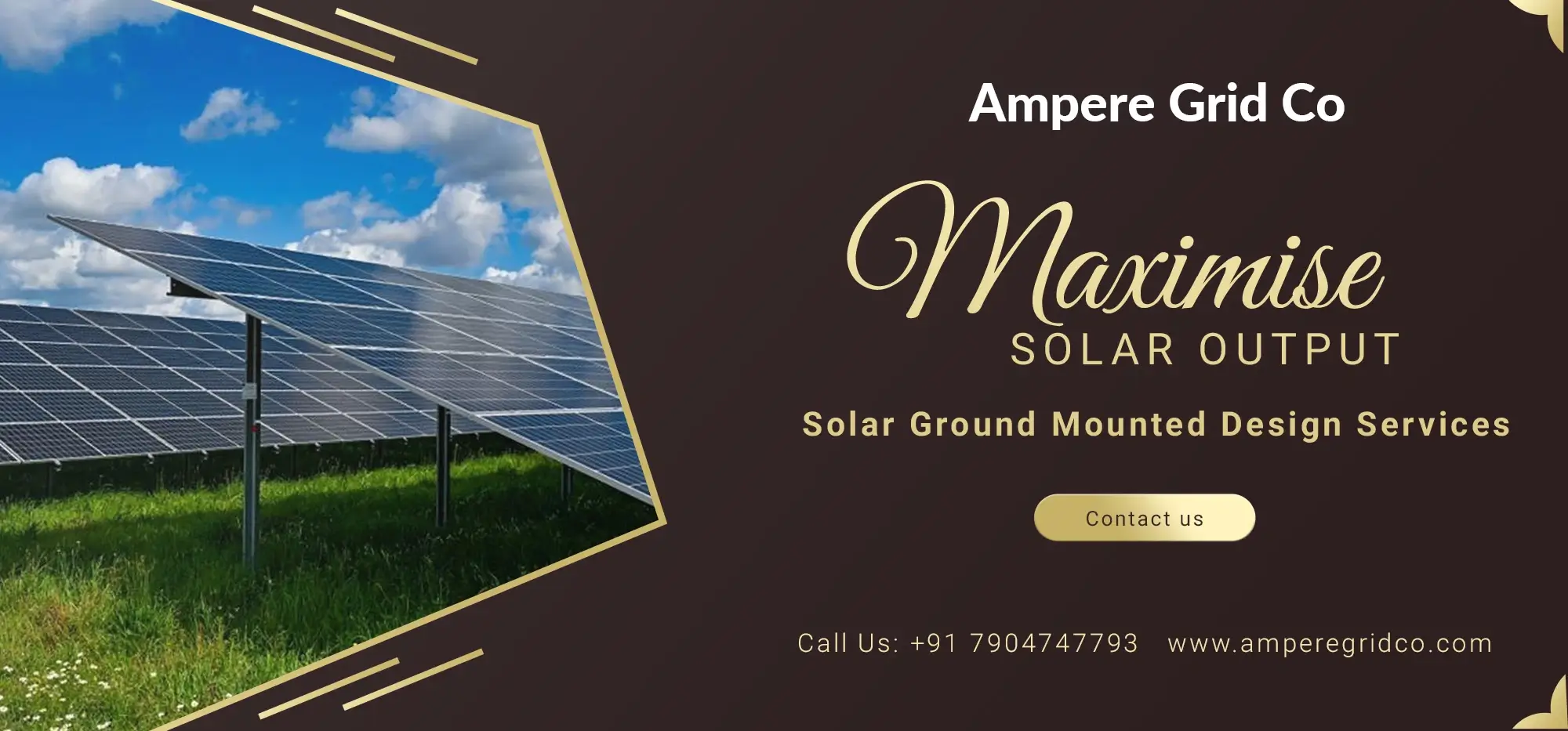
Unlike rooftop installations, which are constrained by building size and structural limitations, ground mounted solar plants can be designed at almost any scale. This flexibility makes them the preferred choice for large industrial consumers, utility companies, and government-backed renewable energy projects. Open land offers better sun exposure, easier maintenance access, and far greater room for expansion as energy demands grow.
Ampere Grid Co has built its reputation around delivering these large-scale installations efficiently, combining engineering precision with a deep understanding of land-based solar economics.
The Rise of Utility-Scale Solar Plants
The term utility-scale solar plants refers to installations large enough to supply power directly into the grid or serve major industrial and commercial consumers. These projects often span several acres and require careful planning around land topography, soil conditions, grid connectivity, and long-term maintenance access.
What makes utility-scale projects particularly attractive to investors and governments alike is their ability to generate significant clean energy output relative to cost. Unlike smaller rooftop systems, utility-scale solar plants benefit from economies of scale — lower per-unit installation costs, streamlined maintenance schedules, and higher overall energy yield.
Key Benefits of Ground Mount Solar Installation
A well-executed ground mount solar installation offers advantages that go far beyond simply generating electricity:
- Optimal Sun Exposure — Ground-mounted systems can be angled and oriented precisely for maximum sunlight capture throughout the day, unlike rooftop systems constrained by existing building orientation.
- Easier Maintenance and Cleaning — Technicians can access ground-mounted panels far more easily than rooftop arrays, reducing maintenance costs and downtime over the plant's lifespan.
- Scalability — Land-based projects can be expanded incrementally as energy demand grows, without the structural constraints that limit rooftop systems.
- Better Cooling Performance — Elevated ground mounts allow better airflow beneath panels, which helps maintain optimal operating temperatures and improves overall energy efficiency.
How Ampere Grid Co Approaches Utility-Scale Solar Plants
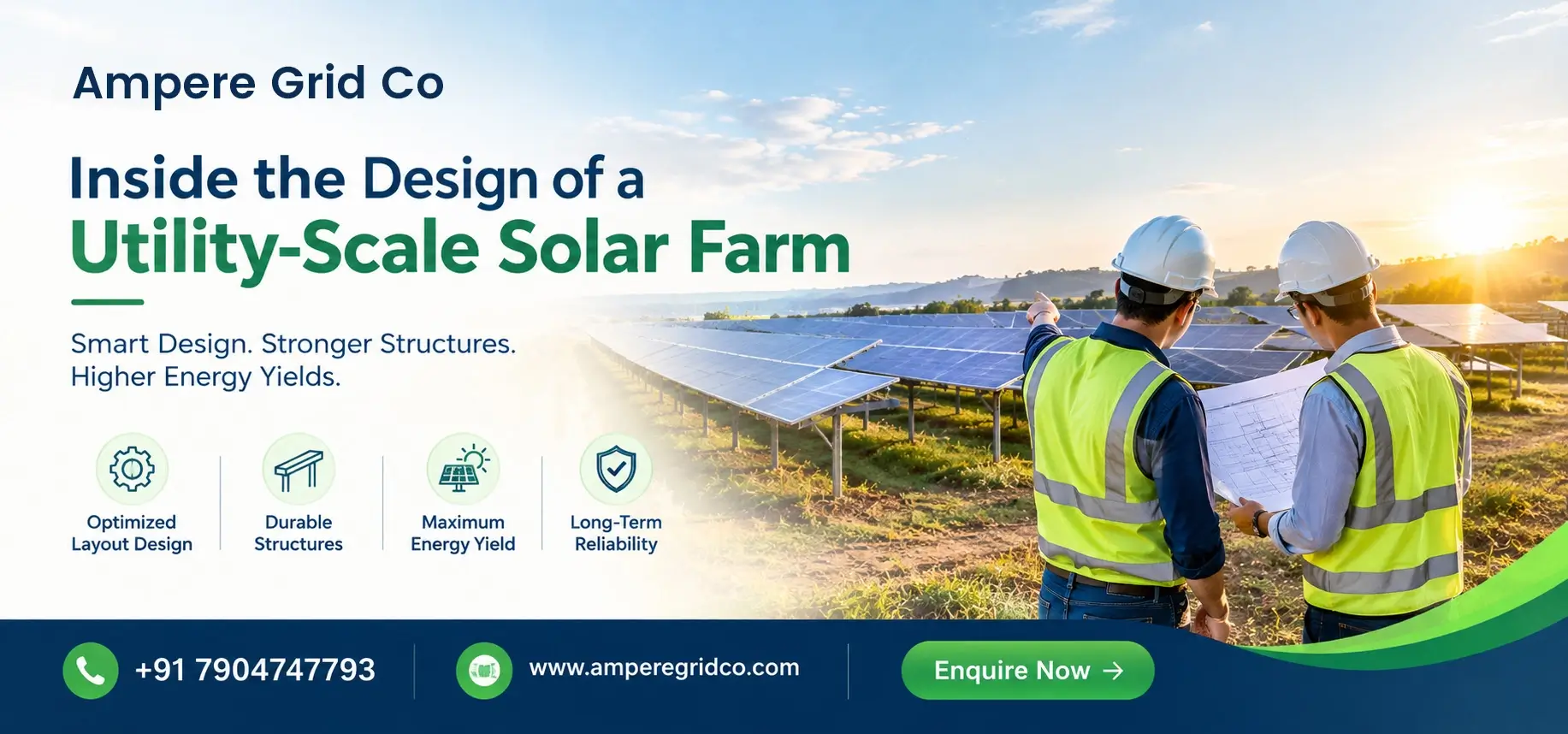
Ampere Grid Co's process for developing ground mounted solar plants begins long before the first panel is installed. The team conducts detailed land assessments, evaluating soil stability, drainage patterns, shading risks, and grid access points. This groundwork ensures that every utility-scale project is engineered for maximum output and long-term reliability.
Once site conditions are mapped, engineers design a layout that balances panel density with maintenance accessibility, factoring in local weather patterns, seasonal sun angles, and future expansion possibilities. This meticulous planning is what separates a truly efficient utility-scale solar plant from a poorly optimized one.
From Land Acquisition to Grid Connection
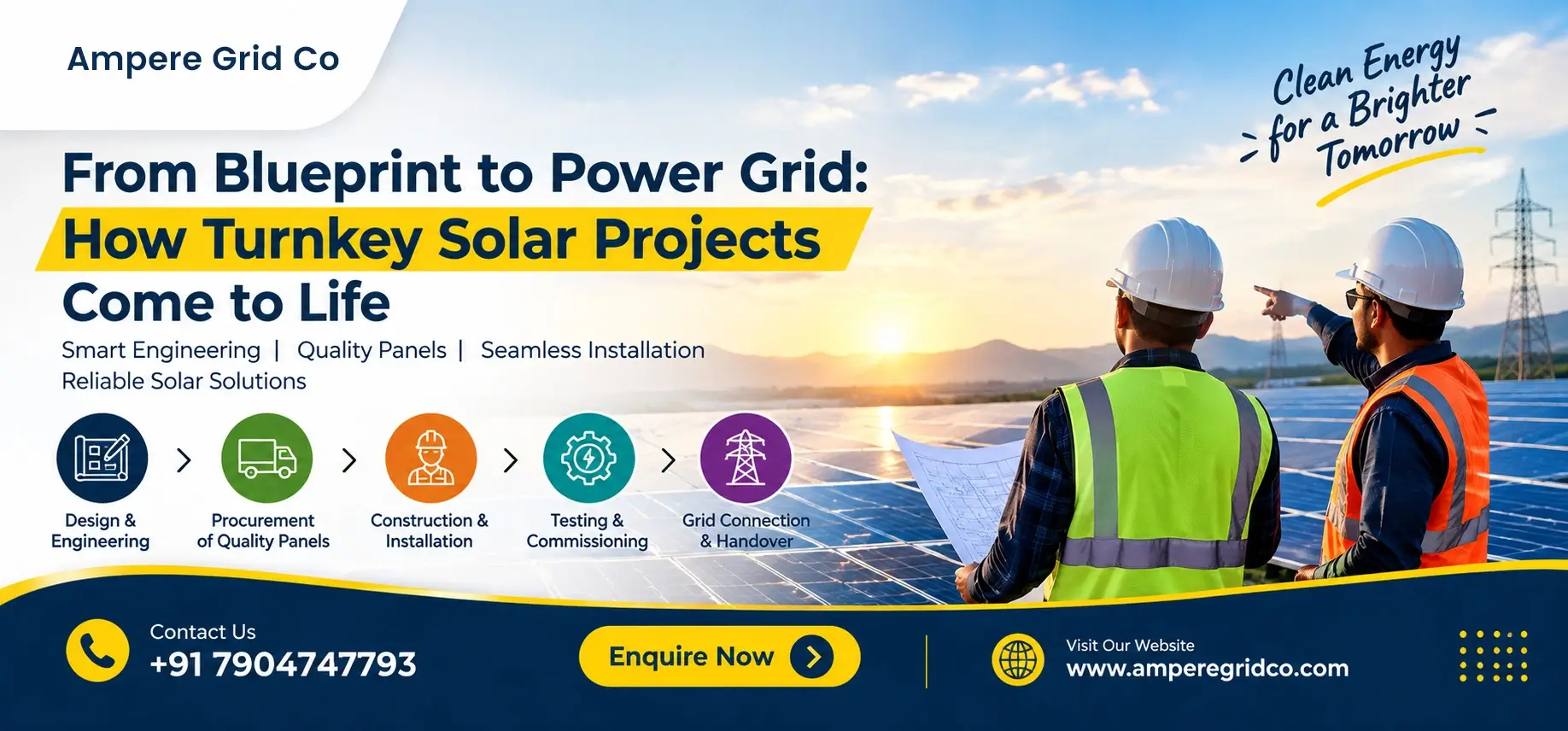
Developing a successful ground mount solar installation involves several coordinated stages:
- Site Evaluation: Assessing land suitability, sunlight exposure, and grid proximity.
- Design & Engineering: Creating layouts optimized for energy yield and structural durability.
- Permitting & Approvals: Navigating local regulations and environmental clearances.
- Construction & Installation: Building mounting structures and installing panels with precision.
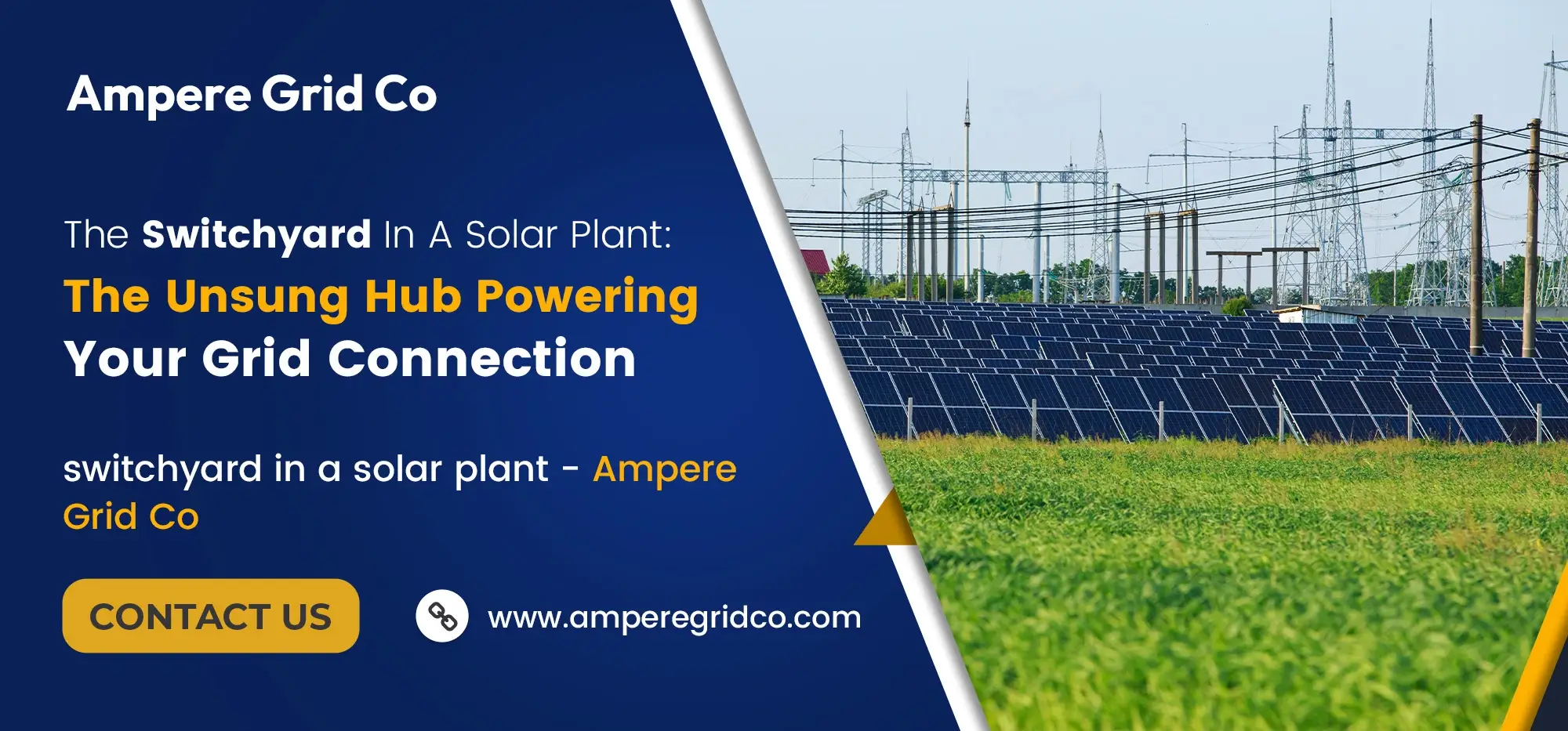
- Grid Integration: Connecting the plant to the local or regional power grid for energy distribution.
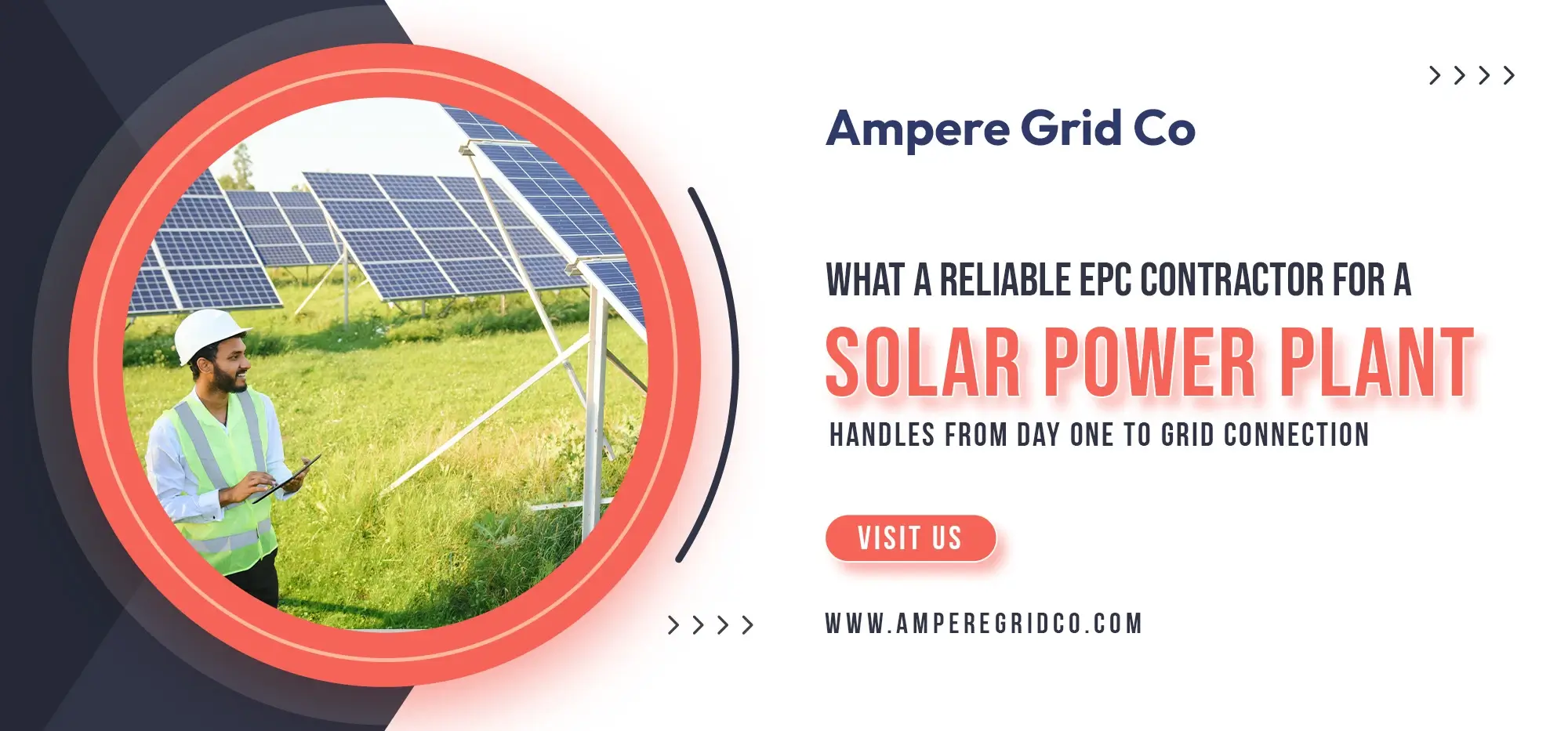
Ampere Grid Co manages each of these stages with dedicated project teams, ensuring that timelines stay on track and quality standards remain consistently high throughout construction.
Addressing Common Challenges in Ground Mounted Projects
While ground mounted solar plants offer substantial benefits, they also come with unique challenges that require experienced handling:
- Land Suitability: Not every plot of land is ideal for solar development. Factors like soil erosion, flooding risk, and shading from nearby structures must be carefully evaluated.
- Environmental Considerations: Utility-scale projects often require environmental impact assessments to ensure minimal disruption to local ecosystems.
- Grid Capacity: Connecting large-scale plants to existing infrastructure requires coordination with utility providers to ensure the grid can handle the additional power input.
Ampere Grid Co's experience across multiple regions allows the team to anticipate these challenges early, reducing delays and unexpected costs for clients.
The Economic Case for Utility-Scale Solar Plants
Beyond environmental benefits, utility-scale solar plants make strong financial sense for landowners, businesses, and governments. Falling equipment costs, improved panel efficiency, and various renewable energy incentives have made large-scale solar one of the most cost-effective forms of new power generation available today. For businesses with high energy consumption, a dedicated ground mounted solar plant can significantly reduce long-term electricity costs while supporting sustainability goals.
Why Choose Ampere Grid Co for Your Ground Mount Solar Installation
Choosing the right partner for a ground mounted solar plant is critical, as poor design or execution can significantly reduce energy output and increase long-term maintenance costs. Ampere Grid Co brings together experienced engineers, transparent project management, and a track record of successfully delivered utility-scale installations, making it a trusted partner for businesses and developers looking to invest in large-scale solar infrastructure.
Conclusion
The shift from empty fields to thriving energy hubs represents one of the most significant developments in the renewable energy sector today. ground mounted solar plants offer the scalability, efficiency, and long-term value that utility-scale energy demands require. With deep expertise in ground mount solar installation, Ampere Grid Co is helping businesses and communities turn unused land into powerful, sustainable energy assets. If you're considering a large-scale solar investment, now is the time to explore what a ground mounted solar plant can do for your energy future.
Frequently Asked Questions
1. What is the difference between rooftop solar and ground mounted solar plants?
ground mounted solar plants are installed directly on land rather than building roofs, allowing for larger scale, better sun angle optimization, and easier maintenance access compared to rooftop systems.
2. How much land is required for a utility-scale solar plant?
Land requirements vary based on desired energy output, but utility-scale projects typically span several acres to accommodate panel arrays, access roads, and supporting infrastructure.
3. What factors affect the success of a ground mount solar installation?
Key factors include land topography, soil stability, sunlight exposure, shading risks, and proximity to grid connection points.
4. How long does it take to build a ground mounted solar plant?
Timelines vary depending on project size, but most utility-scale plants take several months to a year to complete, from initial site assessment through grid connection.
5. Why should businesses consider investing in ground mounted solar plants?
Ground mounted solar plants offer cost savings on electricity, scalability for growing energy needs, and long-term sustainability benefits, making them a smart investment for businesses with significant power consumption.